


When did you first know that you wanted to become a vitreoretinal surgeon?
When I saw my first vitrectomy as an ophthalmology resident at the University of Iowa, I was hooked. The surgery was exciting, challenging, and impactful—everything I wanted in a career.
You specialize in macular disease, macular holes, and epiretinal membranes. What is it about these conditions that interests you the most?
It was exciting to experience the rapid evolution of macular surgery. But more recently, I have chosen to limit my practice to medical retina. So, for me, it is now the intersection between advanced imaging technology and the ever-expanding number of treatment modalities that makes things interesting.
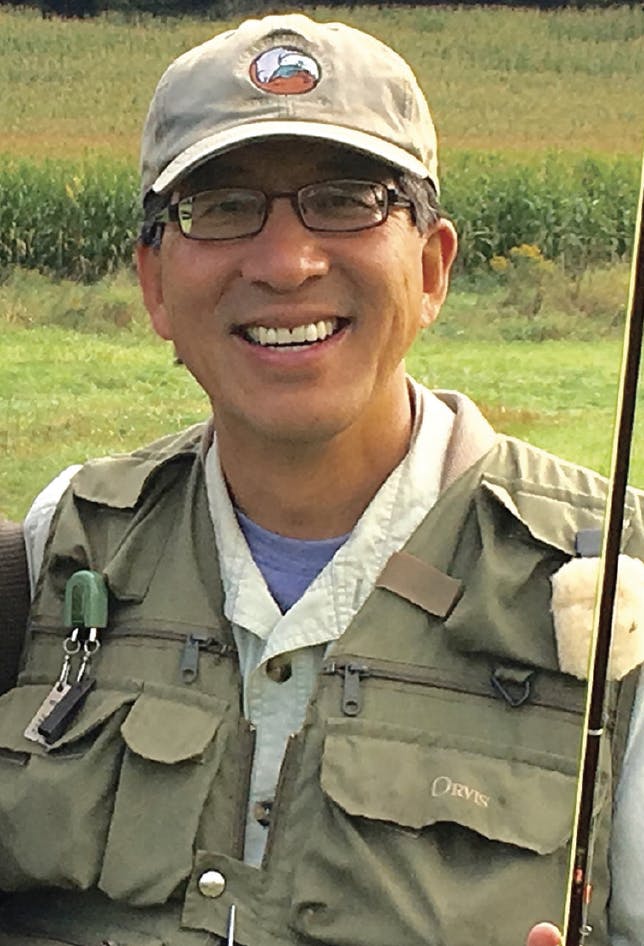
You see a wide range of patients, from infants to seniors. What would you say is one of the biggest differences in treating younger versus older patients?
When performing surgery on infants and young children, retaining an intact crystalline lens is always in the forefront of my mind because of the complexities involving aphakia, amblyopia, and IOL implantation. Also, the stakes are high in children; their whole lives are before them, and both you and the parents know that.
In older children and young adults, an added challenge is working around their educational activities and career plans. I’ve done a lot of their surgeries over the holidays and academic breaks. Also, I’ve found that the emotional ups and downs while treating kids can be intense, for both families and physicians. The pediatric retinal surgeons I know are a particularly collegial and supportive group because they all know the pressures. There’s a special place in heaven for them.
You loved building and driving soapbox derby cars when you were younger. Is this still a passion of yours? Do you think there are any skills from this hobby that have helped you in the retina world?
As a grade schooler, building and racing soapbox derby cars was something to do during the quiet summers in the rural Upper Peninsula of Michigan. It was exhilarating to steer your self-designed car down a beautifully paved roadway with a competitor beside you, wind rushing by as you hit top speed. But the understanding of spatial relationships, mechanical skills, and dexterity with materials that I learned while building the cars have helped me throughout my career, especially in surgery. I think any activity that involves craftsmanship can be useful for a surgical career—even the arts and crafts that you learn in grade school.
What is one of your favorite things about being a professor?
Educating ophthalmology residents and fellows has been my favorite part. Their energy and enthusiasm keep me going. And when you educate others, you educate yourself.


-1_1643042672.jpg?auto=compress,format&w=70)


-1_1643727930.jpg?auto=compress,format&w=70)


_1784132761.jpg?auto=compress,format&w=75)





