
Yutiq Header
Yutiq Header

Sponsored by EyePoint Pharmaceuticals

October 2021 Supplement | YUTIQ® (fluocinolone acetonide intravitreal implant) 0.18 mg case studies

Chronic Birdshot Chorioretinopathy OU

A Real-world Case Provided by Dr. Pouya Dayani, Torrance, CA

Pouya Dayani, MD headshot

Initial Presentation

Patient demographics

51-year-old white male

Chief ocular complaint and duration of complaint

Floaters, blurry vision and “flashing lights” for several months OU
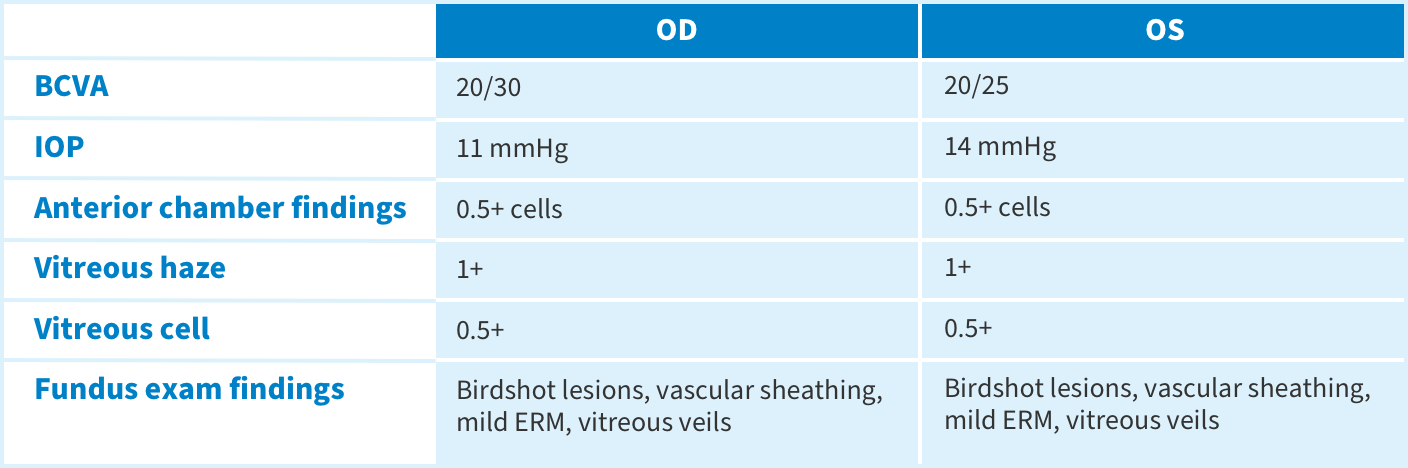
Relevant lab workup

Normal ACE, lysozyme, TB test, FTA-ABS, chest x-ray

Additional comments

HLA-A29+

Diagnosis: Birdshot chorioretinopathy

Treatment before YUTIQ: Treated with IMT and steroids, short duration intravitreal corticosteroid implants, preservative-free steroids, repository hormone injections, and biologics. Inadequate control with all. Underwent routine cataract surgery OU while being treated

YUTIQ treatment

OU. Eyes treated 3 weeks apart

5 Months Follow-up After YUTIQ Treatment
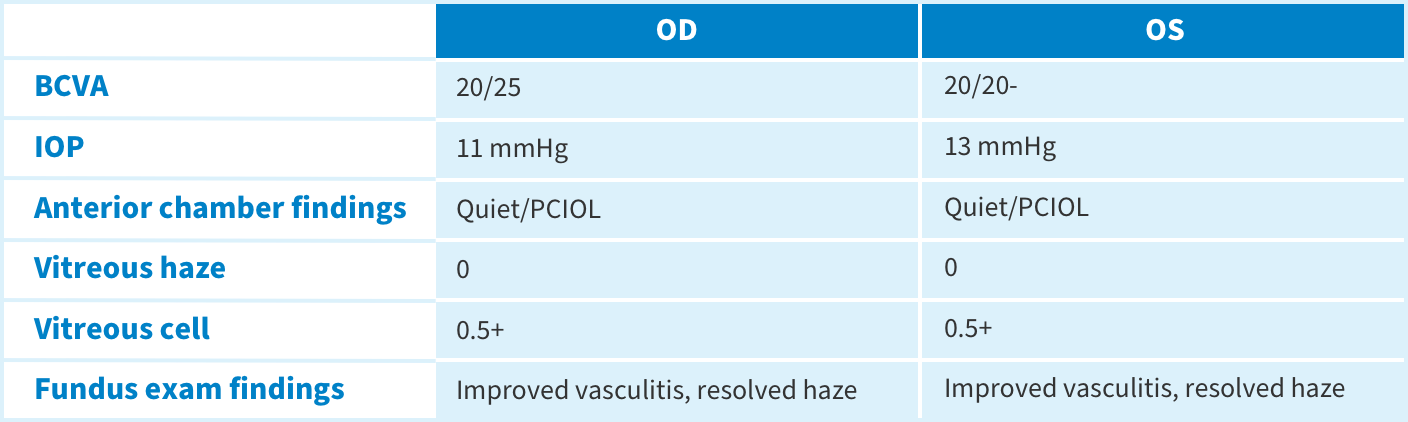
Additional comments

Since YUTIQ treatment, IOP has ranged between 11 and 14 mmHg OU with continued brimonidine/timolol drops BID OU

Case Imagery
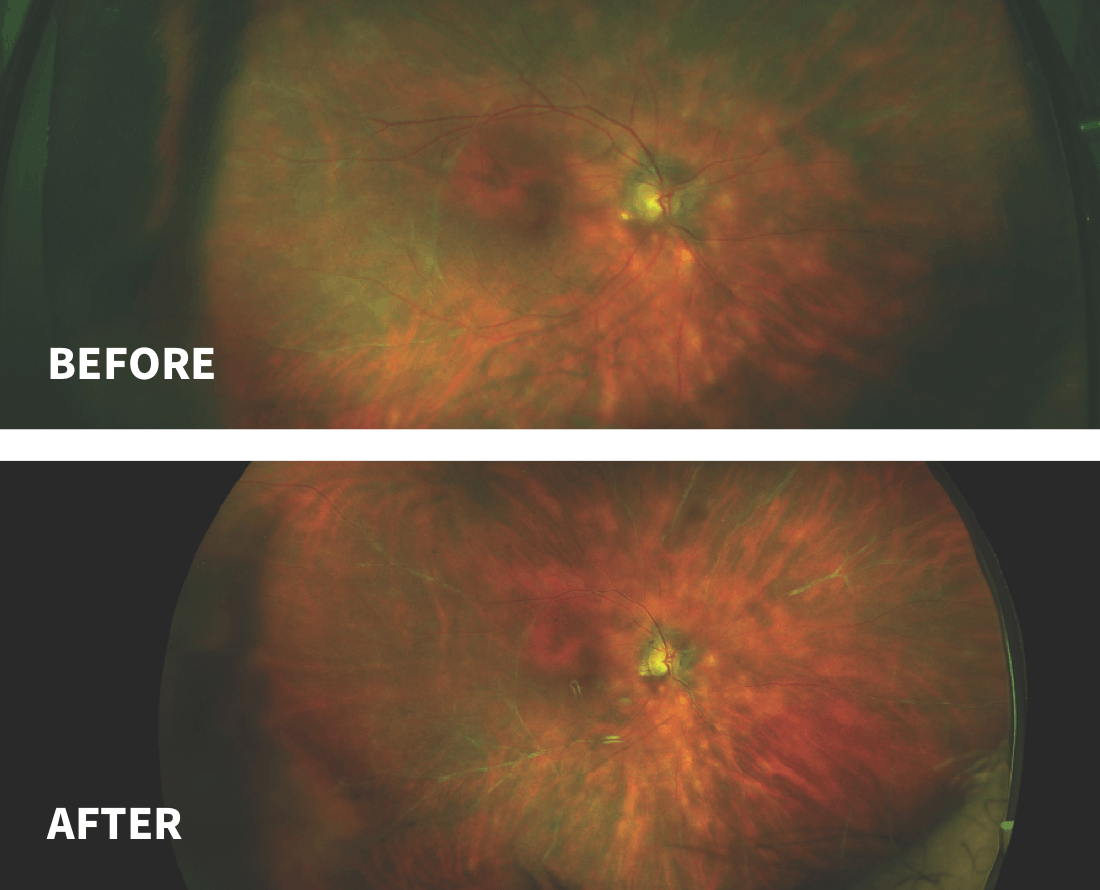
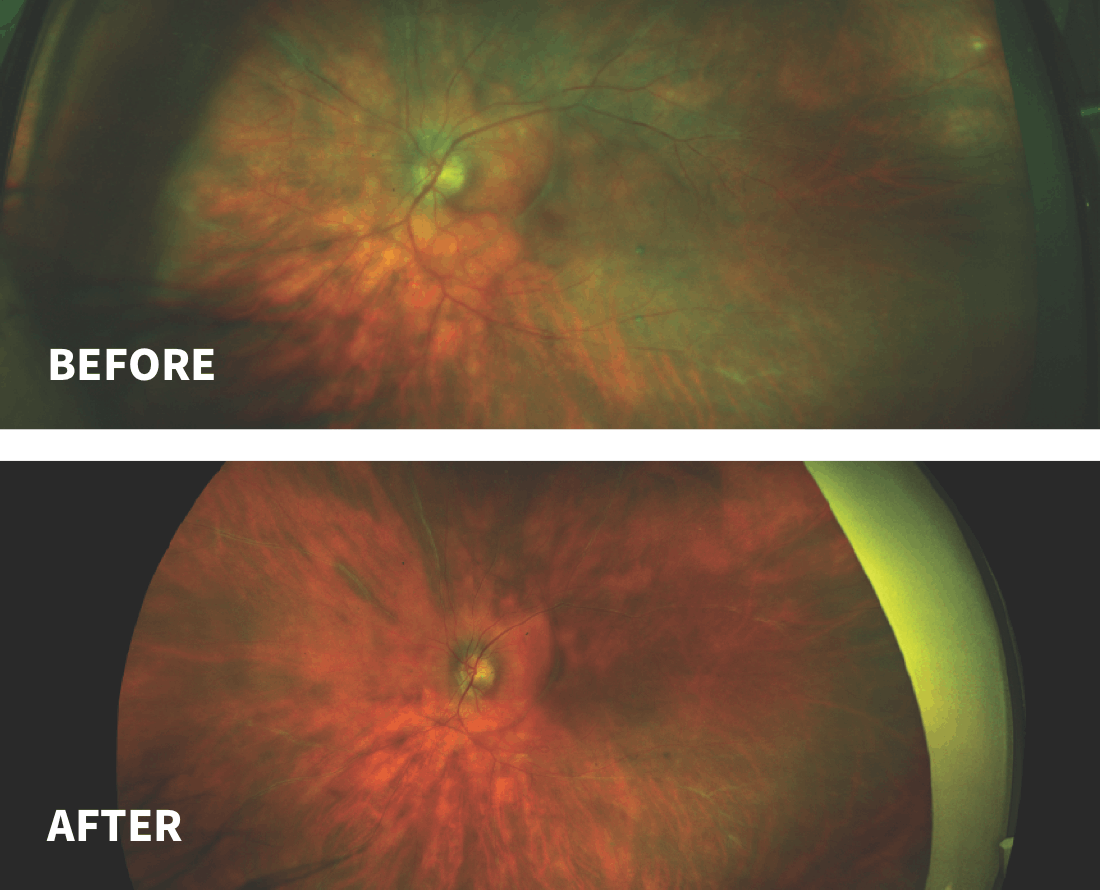
<p>Figure 1. Before and After 5 Months of YUTIQ Treatment OD: Color Fundus</p>

Click to view larger

Figure 1. Before and After 5 Months of YUTIQ Treatment OD: Color Fundus

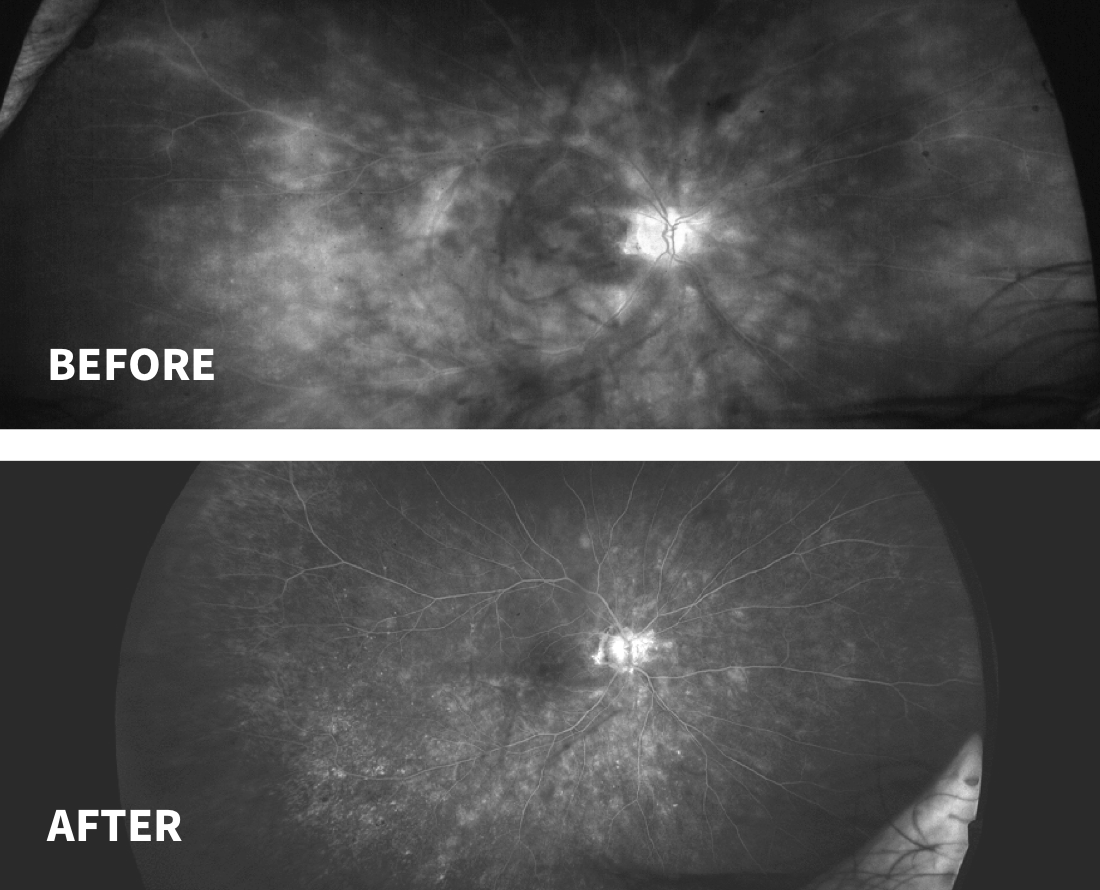
<p>Figure 2. Before and After 5 Months of YUTIQ Treatment OD: FA</p>

Click to view larger

Figure 2. Before and After 5 Months of YUTIQ Treatment OD: FA

<p>Figure 3. Before and After 5 Months of YUTIQ Treatment OS: Color Fundus OS</p>

Click to view larger

Figure 3. Before and After 5 Months of YUTIQ Treatment OS: Color Fundus OS

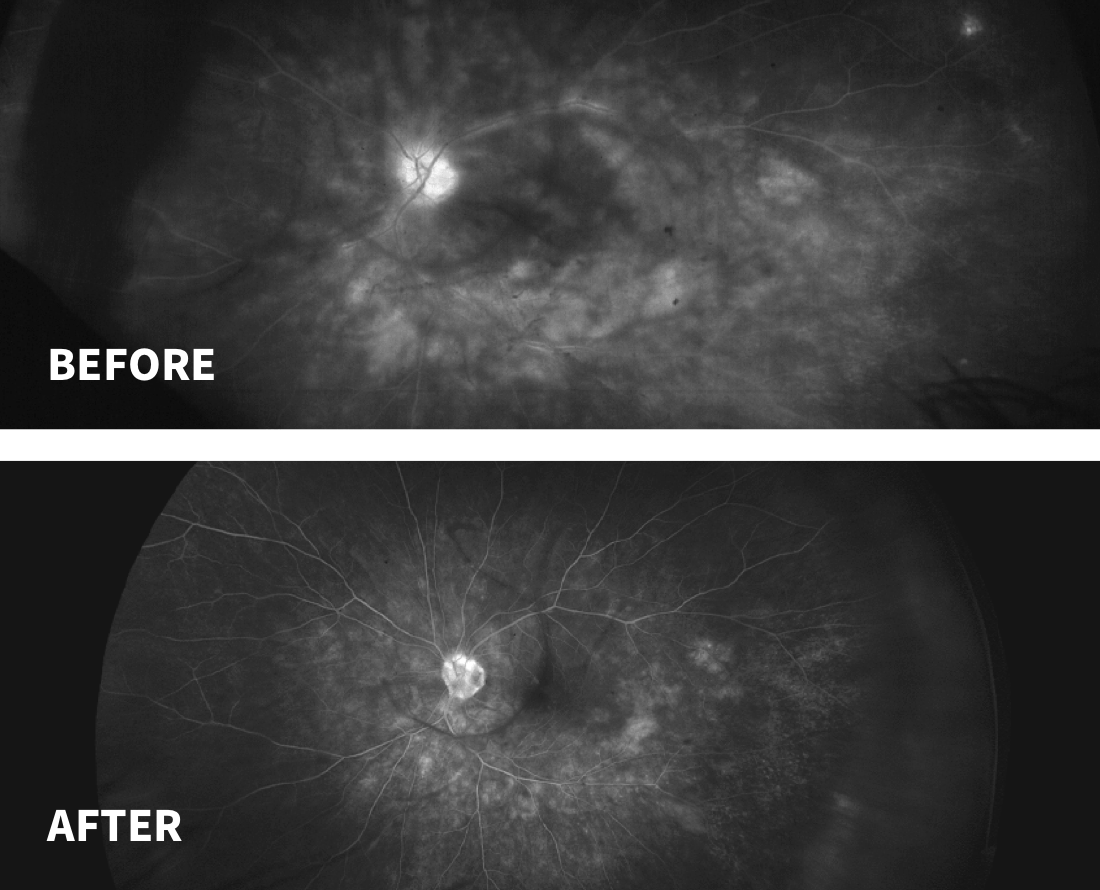
<p>Figure 4. Before and After 5 Months of YUTIQ Treatment OS: FA</p>

Click to view larger

Figure 4. Before and After 5 Months of YUTIQ Treatment OS: FA

ACE=angiotensin converting enzyme; BCVA=best corrected visual acuity; ERM=epiretinal membrane; FA=fluorescein angiography; FTA-ABS=fluorescent treponemal antibody absorption; HLA=human leukocyte antibody; IMT=immunomodulatory therapy; IOP=intraocular pressure; PCIOL=posterior capsule intraocular lens; TB=tuberculosis.

Pouya Dayani, MD headshot

Pouya Dayani, MD

Vitreoretinal Surgery and Ocular Inflammation
Retina-Vitreous Associates Medical Group

Assistant Clinical Professor
USC Keck School of Medicine
USC Roski Eye Institute

YUTIQ and the YUTIQ logo are registered trademarks of EyePoint Pharmaceuticals, Inc.

©2021 EyePoint Pharmaceuticals, Inc. All rights reserved.

480 Pleasant Street, Suite B300, Watertown, MA 02472

08/2021 US-YUT-2100115

Important Safety Information

INDICATIONS AND USAGE

YUTIQ® (fluocinolone acetonide intravitreal implant) 0.18 mg is indicated for the treatment of chronic non-infectious uveitis affecting the posterior segment of the eye.

IMPORTANT SAFETY INFORMATION

CONTRAINDICATIONS

Ocular or Periocular Infections: YUTIQ is contraindicated in patients with active or suspected ocular or periocular infections including most viral disease of the cornea and conjunctiva including active epithelial herpes simplex keratitis (dendritic keratitis), vaccinia, varicella, mycobacterial infections and fungal diseases.

Hypersensitivity: YUTIQ is contraindicated in patients with known hypersensitivity to any components of this product.

WARNINGS AND PRECAUTIONS

Intravitreal Injection-related Effects: Intravitreal injections, including those with YUTIQ, have been associated with endophthalmitis, eye inflammation, increased or decreased intraocular pressure, and choroidal or retinal detachments. Hypotony has been observed within 24 hours of injection and has resolved within 2 weeks. Patients should be monitored following the intravitreal injection.

Steroid-related Effects: Use of corticosteroids including YUTIQ may produce posterior subcapsular cataracts, increased intraocular pressure and glaucoma. Use of corticosteroids may enhance the establishment of secondary ocular infections due to bacteria, fungi, or viruses. Corticosteroids are not recommended to be used in patients with a history of ocular herpes simplex because of the potential for reactivation of the viral infection.

Risk of Implant Migration: Patients in whom the posterior capsule of the lens is absent or has a tear are at risk of implant migration into the anterior chamber.

ADVERSE REACTIONS

In controlled studies, the most common adverse reactions reported were cataract development and increases in intraocular pressure.

Please see full Prescribing Information at YUTIQ.com.