


AT A GLANCE
- When incorporating 3D heads-up display (HUD), simulate a case to evaluate the room layout, system settings, and intraoperative maneuvering.
- With 3D HUD systems, coaxial illumination with an endolaser probe can significantly reduce the visualization of the laser beam and, potentially, visualization of laser uptake.
- Placing the 3D HUD approximately 1.5 m from the surgeon can maximize the viewing experience.
One of the most interesting advances in ophthalmic surgery is the advent of the 3D heads-up display (HUD; Figures 1–3). Commercially available systems include the Ngenuity (Alcon), Artevo 800 (Carl Zeiss Meditec), and Beyeonics One (Beyeonics).
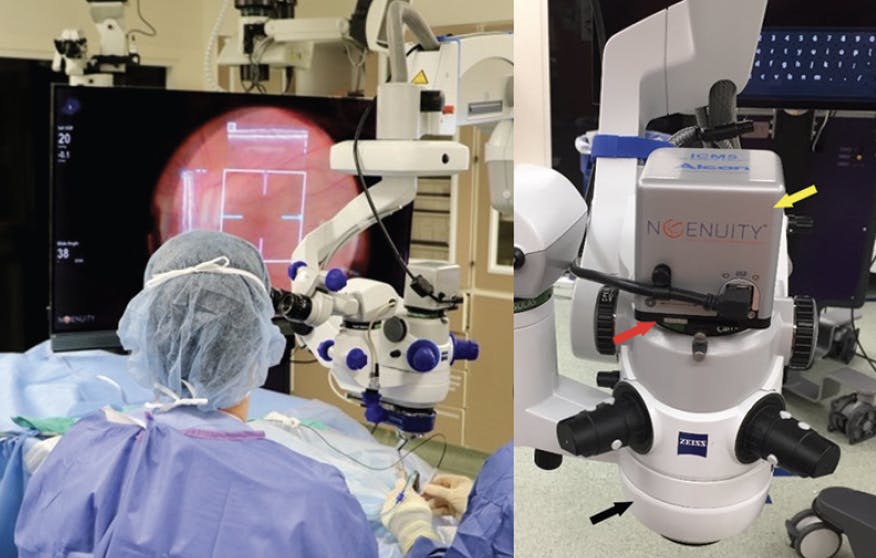
Figure 1. The Ngenuity 3D system uses a high-performance digital camera to provide the 3D visualization on an HD external monitor. This approach leverages the internal optics of the surgical microscope and can be used across microscope platforms.
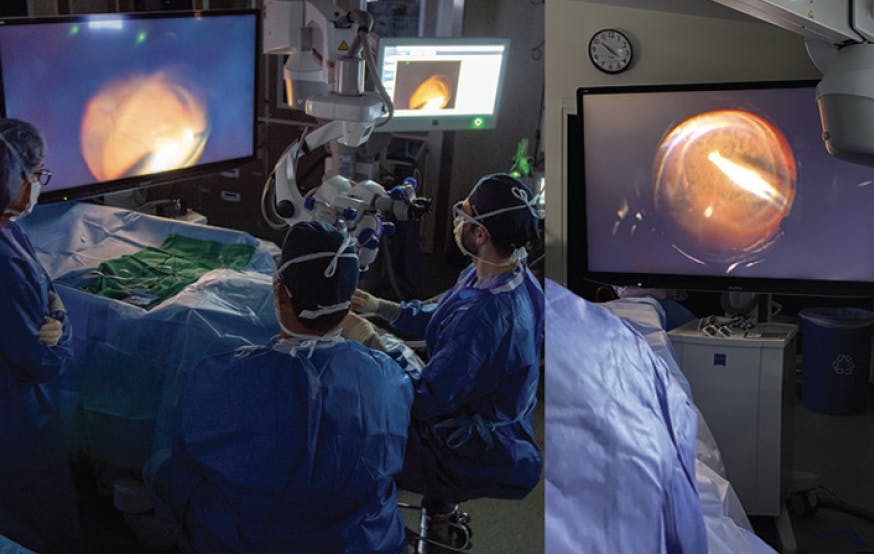
Figure 2. The Artevo 800 uses a hybrid system that includes both the optics and digital camera system within the head of the microscope. The digital signal is then directed to an external HD monitor.
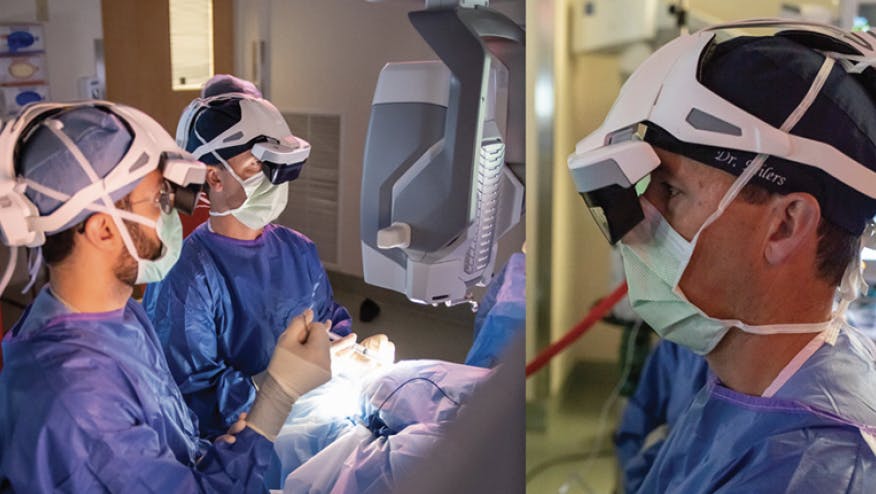
Figure 3. The Beyeonics One system uses a surgical visor that receives the digital signal from a completely digital microscope.
While the use of 3D HUD certainly has an important learning curve, and although some studies suggest that surgical time may be longer, the technology provides better depth of field/focus, enhanced resolution, customizable visualization palates (ie, color filters and task-specific visualization modes), and potential enhancements to ergonomics.1-9 It holds tremendous utility as a teaching tool, as everyone in the OR has the same high-resolution view of the surgery.
As more platforms become available, these systems are likely to become integrated into more retina ORs. In this article, we review ways to improve the learning curve, surgeon experience, and overall success in adopting 3D HUD.
PREOPERATIVE PREPAREDNESS
Surgeons must familiarize themselves with the 3D HUD prior to the day of surgery. It may be helpful to simulate a case to evaluate room layout, display and lighting settings, focus, and intraoperative maneuvering. Working with the device prior to incorporating it into patient care allows uninhibited one-on-one instruction and boosts confidence. Surgeons should develop a preoperative game plan regarding which functionalities to use during surgery to maximize the experience and expectations. Instruction from experienced surgeons regarding the 3D HUD can also help new users become acquainted with the system.
CASE SELECTION AND DURATION
Case selection is an important consideration with 3D HUD. When first learning to use this technology, some surgeons prefer to start with less complex surgical cases that require fewer maneuvers, such as non-clearing vitreous hemorrhage or macular cases. Because macular visualization is particularly good with this technology, vitreomacular interface disorders may be good first choices. Cases requiring more significant anterior segment manipulation, such as sutured IOLs, can have a steeper learning curve depending on the surgeon and the system. New users should be highly comfortable with the selected procedure to avoid adding a significant variable when becoming familiar with 3D HUD.
Scheduling extra surgical time will be necessary, at least for the first surgical day. Scheduling appropriately reduces stress, provides more opportunities for system set-up and modifications, and removes time as an additional stressor. In our experience, surgical time rapidly improves as new users become more familiar and efficient with the 3D HUD.
Finally, new users should consider having a visualization back-up in place during the surgical procedure, in the unlikely event that it is necessary during the surgical case.
ROOM LAYOUT
Almost all HUD systems require a varied room layout compared with traditional microscopes. Identifying your preferences for screen location, screen angle, and microscope location are all keys to success (Figure 4). Surgeons should create a reproducible OR layout by adding floor markings of where the scope and the display screen should be placed relative to the surgical bed to ensure consistency, provide maximal visualization, and increase surgeon comfort (Figure 5). Studies demonstrate that placing the 3D screen approximately 1.5 m from the surgeon can maximize the view, including lateral resolution and depth of field.6
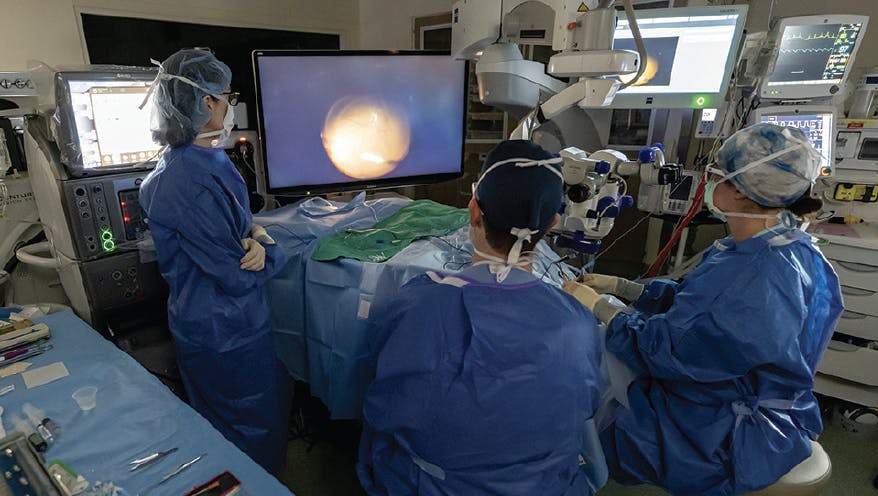
Figure 4. An example of the OR layout demonstrating the microscope location and 3D HUD relative to the surgical field.
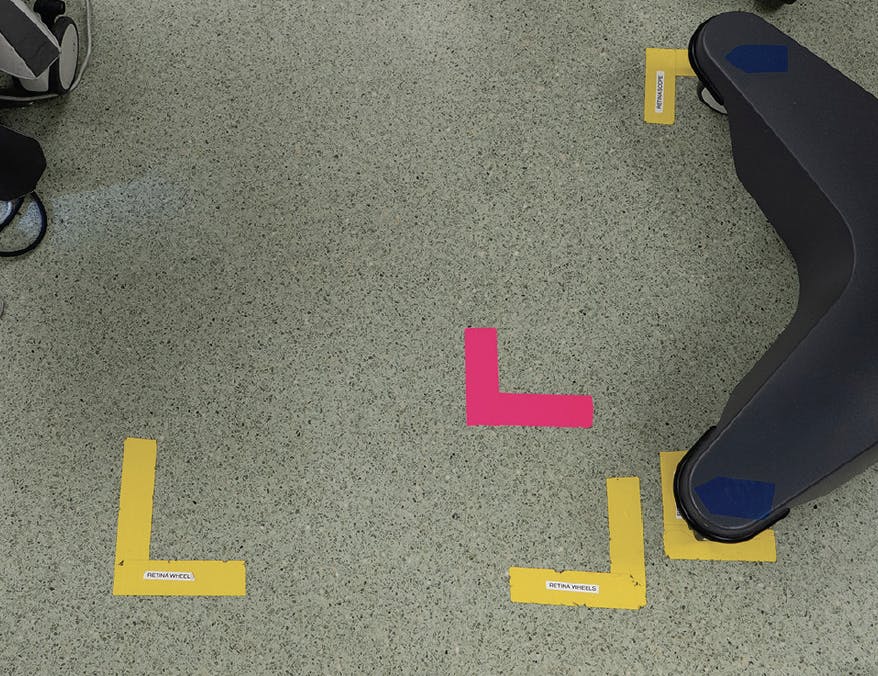
Figure 5. OR floor markings ensure the same room layout and microscope positioning relative to the surgical bed.
Our experience is that surgeons vary significantly on their room layout preferences. Thus, identifying each surgeon’s specific preferences and ensuring those settings are reproduced for each operation can significantly affect the experience with 3D HUD.
TESTING FUNCTIONALITY
Surgical teams must make time to test the system—including the foot control pedal, screen display, and flexible scope mobilization—on the day of surgery to secure functionality before the start of the operation. This may also include camera/system optimization, such as white balancing. Any additional integrated systems, such as vitrectomy settings or intraoperative OCT (iOCT), should be tested as well. Any necessary troubleshooting should happen prior to the start of the actual procedure.
LIGHTING CONCERNS
Choosing the right light intensity for the screen display is vital for proper 3D visualization of the retina and associated pathologies. In many situations, surgeons may be able to reduce the overall light level during the surgical procedure. Surgeons should explore various approaches to lighting based on the surgical task. In some cases, pathology and adjuvant staining may be better visualized with slight indirect light compared with direct focus from the endoilluminator.7 Light settings may be highly variable and should be adjusted if the surgical field appears washed-out or if there is limited visibility of the adjuvant staining.
One unique challenge with HUD technology is that coaxial illumination with an endolaser probe can significantly reduce the visualization of the laser beam and, potentially, visualization of laser uptake. This can vary from system to system, but our experience is that illuminated laser use is often unnecessary with HUD compared with a traditional microscope. Optimal laser uptake is generally evaluated based on the overall appearance of the laser in areas of application. In digital systems the overall “whiteness” of the laser uptake may be different than what the surgeon is accustomed to seeing with traditional microscopes.
POSTOPERATIVE DEBRIEF
To maximize the surgical experience with 3D systems, the team—including the scrub nurse/tech, circulator, surgical assistant, and anesthesia team—should have a post-surgery debriefing to discuss the workflow. The surgeon should note any pitfalls that could have been avoided or steps to improve upon for future cases. Key points to discuss include any required troubleshooting, feedback on visualization, and variations in technique when using the technology.
NEW TECH IN THE OR
3D HUD provides a unique opportunity for incorporating multimodal information into the surgical field. Examples include surgical alignment overlays (eg, toric markers), surgical system parameters (eg, vacuum, surgical modes), and iOCT (Figure 6). These tools can help the surgeon focus on the surgical field while accessing additional information without having to look away from the posterior segment.3,4
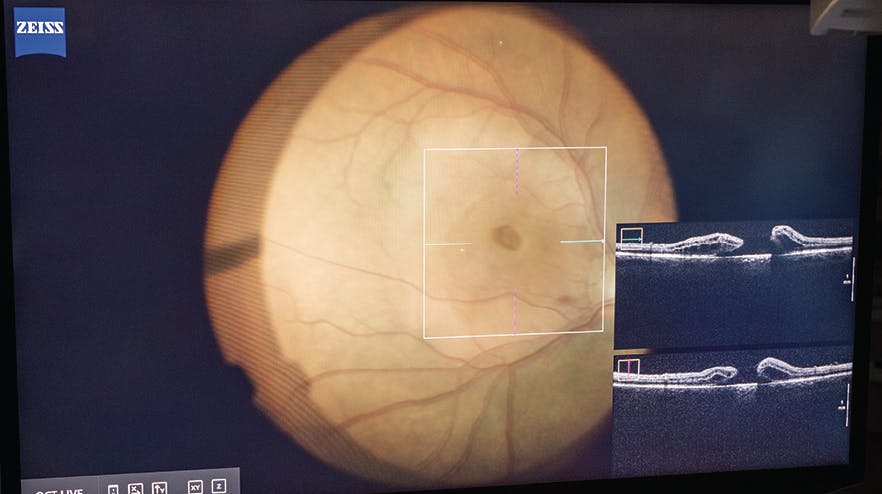
Figure 6. iOCT can provide additional information during surgery, particularly when integrated with 3D HUD.
To maximize the initial experience when integrating iOCT, surgeons should consider assigning a trained assistant to manage the iOCT image acquisition. Doing so can improve workflow and image quality and ensure that troubleshooting is performed in a timely manner. In our experience, the parfocality of the OCT and 3D HUD surgical view facilitates enhanced image quality during OCT acquisition. Integration with 3D HUD provides a larger image size for review and minimizes the need to review through a separate display.3
NEXT STEPS
The right preparation and intraoperative attention can help facilitate successful incorporation of 3D HUD systems into surgical practice. More investigation is needed to determine the overall effect this technology has on surgical outcomes and to better understand the role of integrative technologies in the future of vitreoretinal surgery.
1. Bin Helayel H, Al-Mazidi S, AlAkeely A. Can the three-dimensional heads-up display improve ergonomics, surgical performance, and ophthalmology training compared to conventional microscopy? Clin Ophthalmol. 20218;15:679-686.
2. Reddy S, Mallikarjun K, Mohamed A, et al. Comparing clinical outcomes of macular hole surgeries performed by trainee surgeons using a 3D heads-up display viewing system versus a standard operating microscope. Int Ophthalmol. 2021;41(8):2649-2655.
3. Figueiredo N, Talcott K, Srivastava S, et al. Conventional microscope-integrated intraoperative OCT versus digitally enabled intraoperative OCT in vitreoretinal surgery in the DISCOVER study. Ophthalmic Surg Lasers Imaging Retina. 2020;51(4):S37-S43.
4. Ehlers JP, Uchida A, Srivastava SK. The integrative surgical theater: combining intraoperative optical coherence tomography and 3D digital visualization for vitreoretinal surgery in the DISCOVER study. Retina. 2018;38(Suppl 1):S88-S96.
5. Talcott KE, Adam MK, Sioufi K, et al. Comparison of a three-dimensional heads-up display surgical platform with a standard operating microscope for macular surgery. Ophthalmol Retina. 2019;3(3):244-251.
6. González-Saldivar G, Chow DR. Optimizing visual performance with digitally assisted vitreoretinal surgery. Ophthalmic Surg Lasers Imaging Retina. 2020;51(4):S15-S21.
7. Adam MK, Thornton S, Regillo CD, Park C, Ho AC, Hsu J. Minimal endoillumination levels and display luminous emittance during three-dimensional heads-up vitreoretinal surgery. Retina. 2017;37(9):1746-1749.
8. Minaker SA, Mason RH, Chow DR. optimizing color performance of the Ngenuity 3-dimensional visualization system. Ophthalmol Sci. 2021;1(3):100054.
9. Weinstock RJ, Ainslie-Garcia MH, Ferko NC, et al. Comparative assessment of ergonomic experience with heads-up display and conventional surgical microscope in the operating room. Clin Ophthalmol. 2021;15:347-356.


_1784132761.jpg?auto=compress,format&w=75)





