



AT A GLANCE
- Current diabetic retinopathy (DR) screening guidelines only recommend early and frequent examinations throughout pregnancy without specifying concrete guidelines or follow-up timeframes.
- A meta-analysis found that pre-pregnancy hemoglobin A1c level, disease duration, and diastolic blood pressure were significantly higher in the progression group and were independent risk factors for the development or progression of DR.
- Improving DR screening rates hinges on precise retinal imaging analysis, as well as standardized staging criteria.
Although early detection of diabetic retinopathy (DR) is crucial for effective treatment, more than 50% of patients with diabetes fail to undergo recommended retinal screenings, resulting in late-stage diagnosis and compromised visual outcomes.1
While there are many risk factors for the development and progression of DR, pregnancy itself is a proven independent risk factor (Figure).2 As of 2022, the estimated rate of DR in early pregnancy was alarmingly high at 52.3% among those with preexisting diabetes.3 DR during pregnancy can lead to severe complications for both the mother and the fetus, including eclampsia, higher rates of cesarean delivery, cardiovascular disease later in life, macrosomia, prematurity, and shoulder dystocia.4 Despite these risks, current screening guidelines only recommend early and frequent examinations throughout pregnancy without specifying concrete guidelines or follow-up timeframes.5
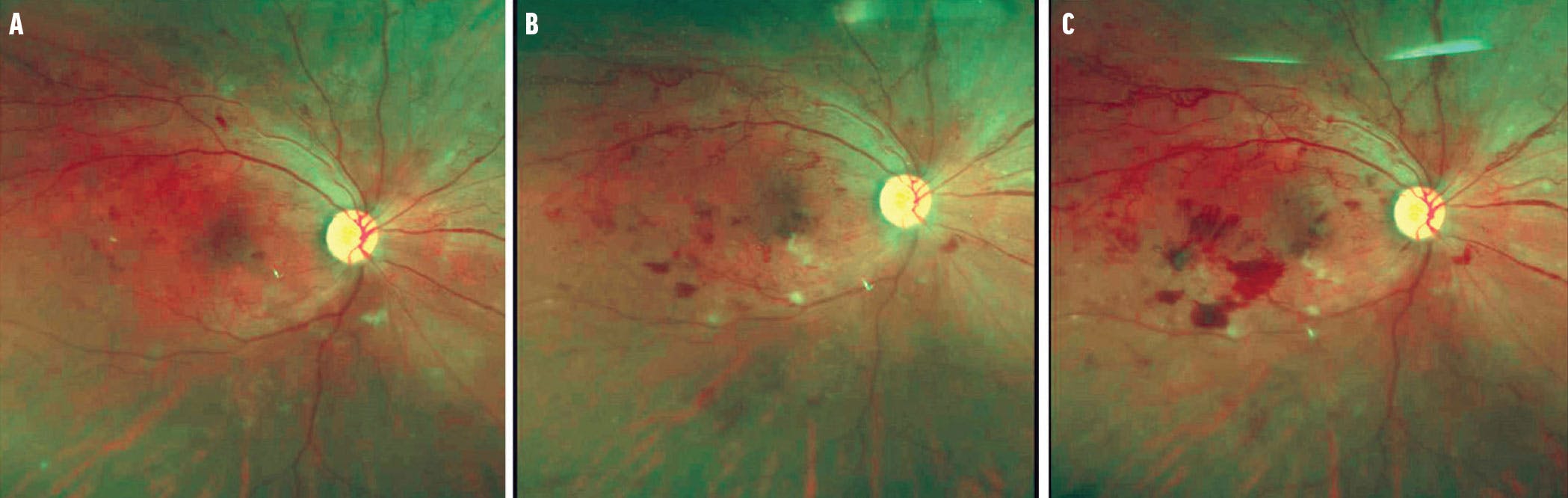
Managing DR and its complications in patients who are pregnant requires a careful, individualized approach to balance effective treatment with the safety of the mother and developing fetus. The lack of comprehensive safety data for anti-VEGF agents during pregnancy results in hesitancy in their use.6 The theoretical risk of systemic absorption and potential effects on fetal development, observed in some animal studies, necessitates caution.7,8 Similar concerns apply to intravitreal steroids, where potential systemic absorption and its effect requires weighing benefits against potential risks.9 Laser therapy remains a primary treatment option due to its safety profile.10,11 However, its effectiveness in rapidly progressing cases of proliferative DR or diabetic macular edema during pregnancy is questionable.10 Despite the remarkable advances in DR treatment, the need for multiple treatments and the risk of vision loss remain significant concerns in this patient population. Close collaboration between ophthalmologists, obstetricians, and endocrinologists is crucial to optimize clinical outcomes. This ensures maternal and fetal safety while effectively managing this retinal pathology.
THE LATEST DATA
Unfortunately, DR in pregnancy has not been as thoroughly studied as DR in the general diabetic patient population. A landmark study by the Diabetes Control and Complications Trial group was one of the first to provide meaningful insight on this topic. They conducted a large-scale study examining the effect of type 1 diabetes on DR, showing that pregnancy itself was a risk factor for progression and that the highest risk of progression was in the second trimester.12 Chew et al conducted a similar study and reported that retinopathy of any stage and elevated hemoglobin A1c at baseline were predictive factors for the progression of DR in pregnancy.13 They also discovered that for patients with poor pre-pregnancy glycemic control, initiating tight glycemic control during pregnancy paradoxically increased the risk of DR progression. However, tight glycemic control has been proven to decrease retinopathy rates in the long term.13
Our team recently conducted a meta-analysis of 27 unique studies, yielding data from 2,537 pregnant patients. We found that hemoglobin A1c level, duration of diabetes, and diastolic blood pressure at baseline (pre-pregnancy) were significantly higher in the progression group and were all independent risk factors for the development or progression of DR.2 We also conducted a similar study at a tertiary care center examining the risk factors for DR progression in pregnancy. Similar to our meta-analysis and other published literature findings, any stage of DR at baseline was significantly related to disease progression during pregnancy. Additionally, poor blood pressure control was also associated with the progression of DR.14
SCREENING IMPLICATIONS
Pre-pregnancy visits should focus on obtaining tight control of glycemic levels and optimizing overall health before conception, including initiation of pregnancy-safe antihypertensive agents, if indicated. It would also be appropriate to conduct a thorough retinal examination to determine the baseline state or presence of DR, along with a thorough review of the patient’s risk factors.
The quest to establish the best practices for DR screening during pregnancy remains ongoing. Numerous methods have been suggested to enhance the convenience and effectiveness of screening for expectant mothers. One study exploring obstacles to DR screening in pregnant patients revealed that many did not consider this screening essential to their pregnancy, citing inconvenience, access, and cost as significant barriers.15 Multiple factors influence adherence to screening recommendations, making it challenging to identify a one-size-fits-all solution.
Recent evidence indicates that improving DR screening rates hinges on precise retinal imaging analysis and standardized staging criteria. Experts suggest that offering DR screening outside ophthalmology clinics, such as at endocrinology and primary care clinics, would improve access and adherence.9 One Australian clinic implemented these recommendations by offering retinal imaging scans to women at their standard prenatal visits. These images were then transmitted to a virtual ophthalmology team that provided image interpretation and recommendations for the patients. With this approach, patients were better informed about the risks of DR progression in pregnancy, screening rates significantly improved, and rates of early detection of DR and treatment were much higher.16
Teleophthalmology could also be a viable solution for this patient population, as we often rely solely on undilated retinal imaging during pregnancy without the benefit of a complete fundus examination and other ancillary imaging modalities. This can result in questionable accuracy in disease staging, particularly when assessing peripheral retinal perfusion and making treatment recommendations.
Teleophthalmology would likely improve patient capture, especially for those who might otherwise forgo screening. Furthermore, AI-assisted image interpretation and classification of retinal pathology can also enhance accessibility to screenings and adherence to follow-up visits. With high sensitivity and specificity, results can be reported to patients and providers in a matter of seconds.15 These solutions hold promise to make screenings more convenient and have the potential to significantly improve DR management during pregnancy.
PRIORITIZING VISION DURING PREGNANCY
Pregnancy is a known risk factor for the development and progression of DR, requiring careful assessment. Despite the high risks of vision loss associated with DR in pregnancy, only a small fraction of research focuses on this vulnerable population. This issue is further complicated by the potential adverse effects of poor glycemic control on the newborn.
The limited interest in this topic highlights the lack of expert consensus on screening guidelines and patient compliance with retinal examinations during pregnancy. As clinicians, we should prioritize improving patient education, pre-conception counseling, and management of lifestyle risk factors. Further research is essential to establish optimal screening practices and improve clinical outcomes.
1. Lundeen EA, Burke-Conte Z, Rein DB, et al. Prevalence of diabetic retinopathy in the US in 2021. JAMA Ophthalmol. 2023;141(8):747-754.
2. Sarvepalli SM, Bailey BA, D’Alessio D, et al. Risk factors for the development or progression of diabetic retinopathy in pregnancy: meta-analysis and systematic review. Clin Exp Ophthalmol. Clin Exp Ophthalmol. 2023;51(3):195-204.
3. Widyaputri F, Rogers SL, Kandasamy R, et al. Global estimates of diabetic retinopathy prevalence and progression in pregnant women with preexisting diabetes: a systematic review and meta-analysis. JAMA Ophthalmol. 2022;140(5):486-494.
4. Chandrasekaran PR, Madanagopalan VG, Narayanan R. Diabetic retinopathy in pregnancy - a review. Indian J Ophthalmol. 2021;69(11):3015-3025.
5. Diabetic Retinopathy PPP 2019. AAO. 2019. Accessed July 21, 2024. bit.ly/3SL9u3l
6. Mir TA, Finn AP. Pregnancy and diabetic retinopathy—considerations for evaluation and treatment: a review. Ann Eye Sci. 2023;8:14.
7. Bamdad S, Bamdad M, Khanlari M, Daneshbod Y, Khademi B. Teratogenic effects of intravitreal injection of bevacizumab in a pregnant rat model. Iran J Pharm Res. 2017;16(2):670-676.
8. Polizzi S, Mahajan VB. Intravitreal anti-VEGF injections in pregnancy: case series and review of literature. J Ocul Pharmacol Ther. 2015;31(10):605-610.
9. Ben Ghezala I, Mariet A-S, Benzenine E, et al. Association between obstetric complications and intravitreal anti-vascular endothelial growth factor agents or intravitreal corticosteroids. J Personalized Med. 2022;12(9):1374.
10. Amoaku WM, Ghanchi F, Bailey C, et al. Diabetic retinopathy and diabetic macular oedema pathways and management: UK Consensus Working Group. Eye (Lond). 2020;34(Suppl 1):1-51.
11. Hercules BL, Wozencroft M, Gayed II, Jeacock J. Peripheral retinal ablation in the treatment of proliferative diabetic retinopathy during pregnancy. Br J Ophthalmol. 1980;64(2):87-93.
12. Diabetes Control and Complications Trial Research Group. Effect of pregnancy on microvascular complications in the diabetes control and complications trial. The Diabetes Control and Complications Trial Research Group. Diabetes Care. 2000;23(8):1084-1091.
13. Chew EY, Mills JL, Metzger BE, et al. Metabolic control and progression of retinopathy. The Diabetes in Early Pregnancy Study. National Institute of Child Health and Human Development Diabetes in Early Pregnancy Study. Diabetes Care. 1995;18(5):631-637.
14. Rathinavelu J, Sarvepalli SM, Bailey B, D’Alessio D, Hadziahmetovic M. The impact of pregnancy on diabetic retinopathy: a single-site study of clinical risk factors. Ophthalmic Res. 2023;66(1):1169-1180.
15. Vaľková J, Adam M, Hlaváček J. Artificial intelligence in diabetic retinopathy screening: from idea to a medical device in clinical practice. Cas Lek Cesk. 2024;162(7-8):290-293.
16. Phillips JL, Raja V, Mehrotra C, et al. Introduction of diabetic retinopathy screening into an antenatal clinic: Impact on maternal screening and diagnosis rates. Aust N Z J Obstet Gynaecol. 2022;62(6):906-909.


_1784132761.jpg?auto=compress,format&w=75)





