
_1748981059.png)
To provide the highest standard of care, retina specialists must apply the latest diagnostic advancements and select the most effective imaging modalities for each case. Multimodal imaging enhances early disease detection, improves diagnostic accuracy, and optimizes treatment strategies, ultimately leading to improved patient outcomes. By integrating multiple imaging techniques (ie, multimodal imaging), clinicians obtain deeper insights into both structural and functional retinal changes, leading to more informed decision-making and better outcomes.
In the 2023 EURETINA Clinical Trends Survey, 83% of respondents reported incorporating multimodal imaging into their practices (Figure 1). This widespread adoption underscores its value in enhancing diagnostic precision and patient care.
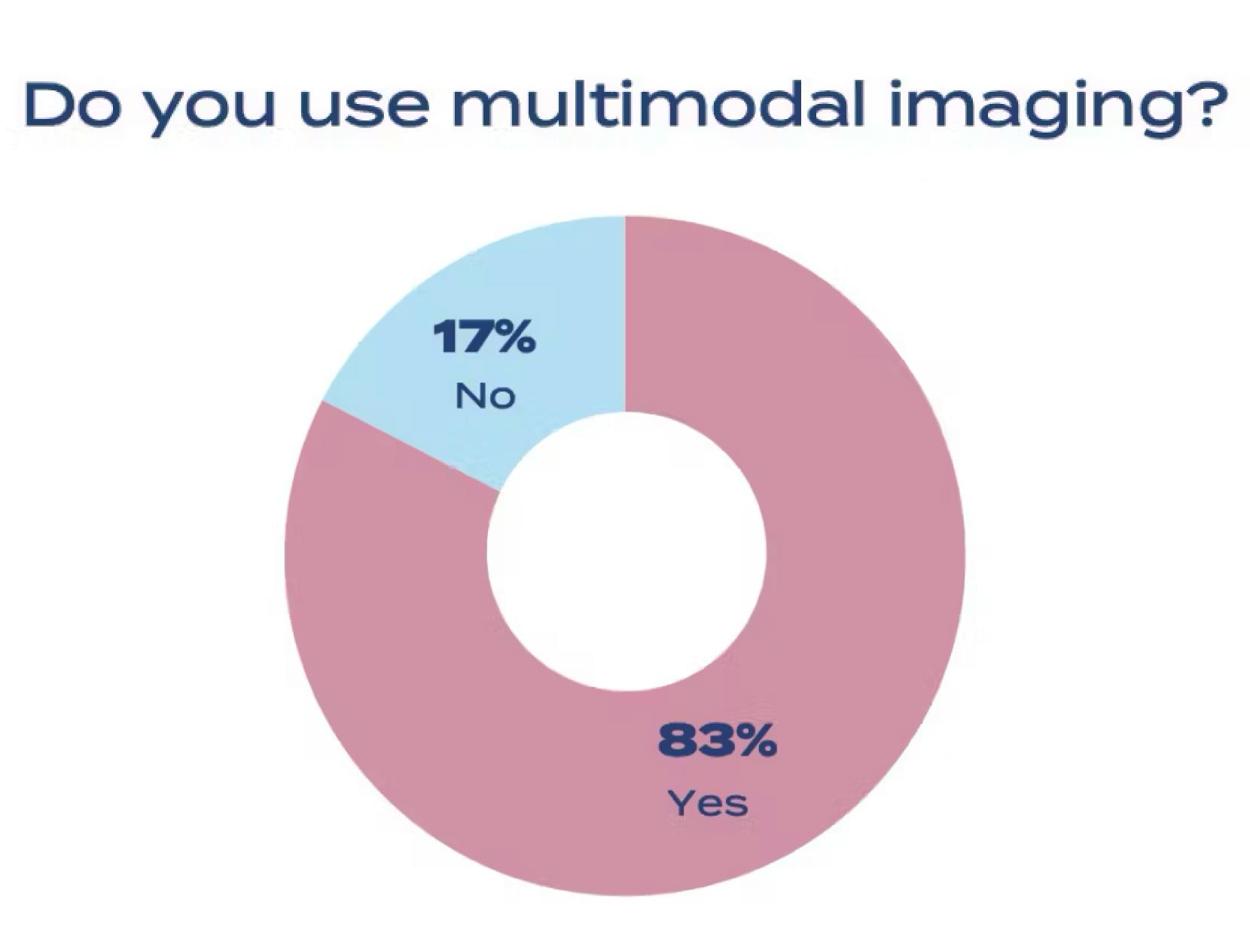
Figure 1. According to the 2023 EURETINA Clinical Trends Survey, 83% of respondents use multimodal imaging in their practices.
Choosing the Right Imaging Modalities
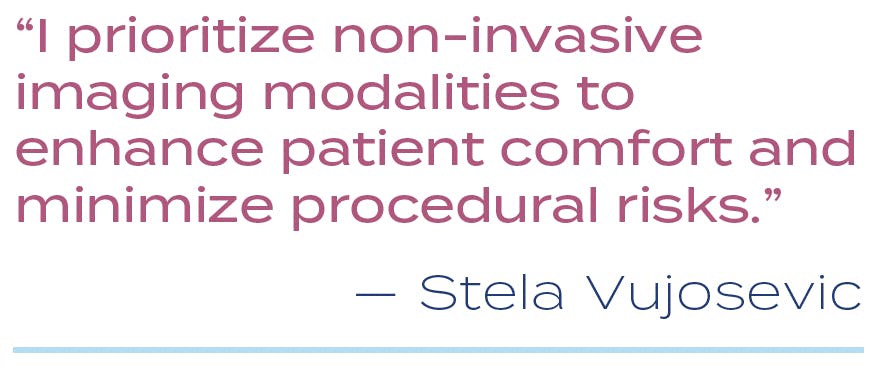
A diverse array of imaging modalities is available today, and selecting the most suitable option depends on the specific condition being evaluated. Non-invasive techniques should be prioritized whenever possible to enhance patient comfort and minimize procedural risks.
Key imaging techniques include color fundus photography and OCT, which are essential tools for assessing retinal and choroidal diseases. OCT angiography (OCT-A) provides high-resolution vascular insights without requiring dye injections, while fluorescein angiography (FA) and indocyanine green (ICG) angiography should be reserved for eyes requiring detailed evaluation of blood-retinal barrier and choroidal vessel integrity, or detection of vascular abnormalities in the far periphery.
Key Considerations for Combining Imaging Modalities
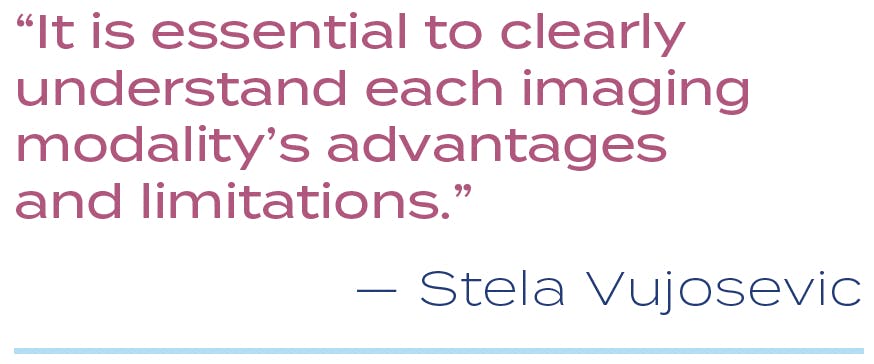
To effectively combine imaging techniques, clinicians must understand each modality’s strengths, limitations, and potential for artifacts. OCT-A should always be used alongside structural OCT for a complete assessment. While OCT-A excels at visualizing capillary changes, it cannot evaluate blood-retinal barrier integrity or leakage. For far-peripheral evaluation, ultra-wide field imaging, color fundus photography, fluorescein angiography, or ICG may be required, as OCT-A is limited to the macular and mid-peripheral regions.
Additionally, identifying and addressing imaging artifacts is crucial to avoiding misinterpretation and diagnostic errors.
A thorough understanding of these nuances allows clinicians to integrate imaging data effectively and refine their diagnostic and treatment approaches.
Impact on Disease Management
Multimodal imaging plays a pivotal role in the management of sight-threatening conditions such as diabetic retinopathy (DR) and diabetic macular edema (DME). For example, small vascular abnormalities seen on fundus examination or color fundus imaging may be difficult to differentiate, potentially representing early neovascularization or intraretinal microvascular abnormalities (IRMA). In such cases, OCT or OCT-A can provide a definitive assessment, potentially eliminating the need for more invasive imaging like fluorescein angiography. Distinguishing vascular changes is crucial, as early detection of neovascularization can influence follow-up intervals and treatment decisions, leading to timely interventions and better visual outcomes.
Overcoming Barriers to Access
Despite its advantages, many clinicians still lack access to multimodal imaging. According to the 2023 EURETINA Clinical Trends Survey, 17% of respondents do not use multimodal imaging (Figure 1), with the primary barriers being lack of access to technology (55%) and cost constraints (43%) (Figure 2).
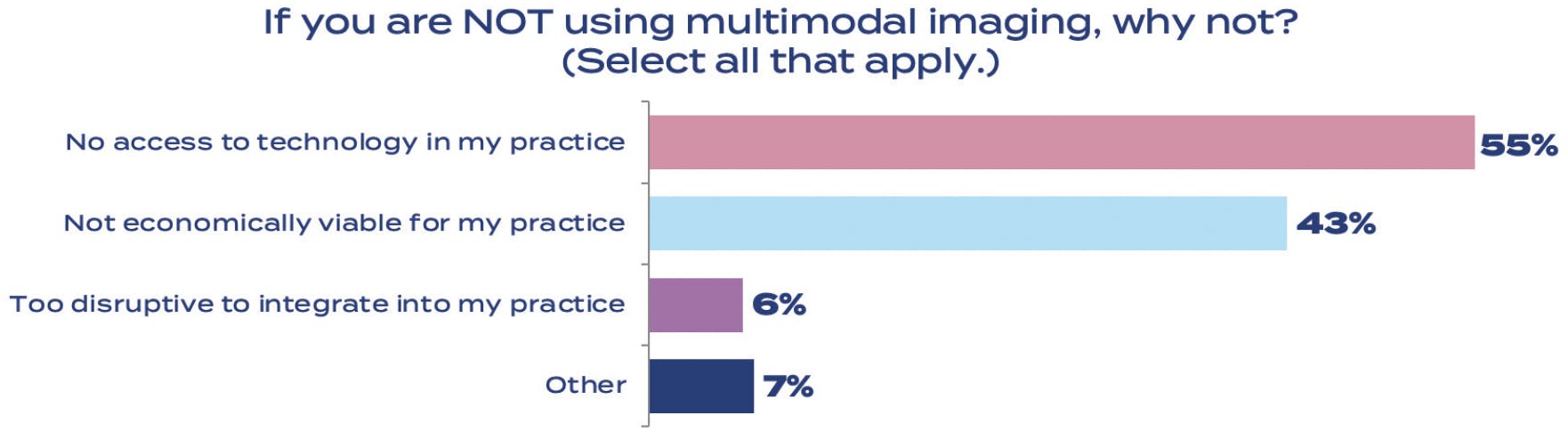
Figure 2. The 2023 EURETINA Clinical Trends Survey highlights that among those not using multimodal imaging, 55% lack access to technology, while 43% identify cost as the main barrier.
Clinicians in university hospitals have access to advanced imaging technologies, enabling more accurate and timely diagnoses. In contrast, those in resource-limited settings face challenges due to lack of tools like OCT, leading to delays and reliance on patient symptoms and traditional fundus examinations.
High costs remain a barrier, highlighting the need for affordable multimodal imaging to improve early diagnosis and patient outcomes worldwide.
Conclusion
Multimodal imaging has revolutionized retinal disease diagnosis and management. However, challenges related to accessibility and cost must be addressed to extend these benefits to all patients. Ongoing advancements in imaging technology and cost-effective solutions will be key to making multimodal imaging a universal standard in retinal care.
The views and opinions expressed in this content may not necessarily represent those of Bryn Mawr Communications or Retina Today.
