








Introduction and Objectives
Vitreous opacities (VO) are perceived objects that appear in the field of vision of one or both eyes. They are found in the vitreous gel that fills the eye posteriorly between the lens and the retina. They can intermittently obstruct central vision or appear as objects moving in the peripheral visual field. As a normal part of aging, the vitreous gel “shrinks” and spontaneously separates from the retina. It then begins to move with the eye, head, or body movements, floating in the water-like fluid or aqueous that is constantly produced within the eye. Any VO in the now-mobile vitreous gel cast shadows on the underlying retina and are seen as various sizes and shapes, which are easily mistaken for real objects.1
VO symptoms are minimal in most patients; however, symptomatic vitreous opacities (SVO) can cause significant impairment in vision-related quality of life (QoL) in some patients. Although it was once taboo to consider vitrectomy to treat SVO, the evidence for treatment of this condition using small-gauge vitrectomy has strengthened.2 Still, it is unclear how patients with SVO presenting to optometrists, ophthalmologists, and cataract/refractive surgeons are being managed and how they are being referred to retina specialists who can assess if vitrectomy is an appropriate option. The objectives for this panel discussion included:
- Reviewing new survey findings from across the national and international ophthalmic community on the understanding of SVO and their potential impact on patients
- Discussing definitions of VO severity including the appropriate timing for referral to retina specialists and when vitrectomy may be considered
- Trying to reach consensus on representative clinical scenarios to help optimize the management of patients with SVO
—Donald J. D’Amico, MD
Pars Plana Vitrectomy (PPV) for Symptomatic Vitreous Opacities (SVO): A Literature Review
In Dr. Silva’s literature review, it was highlighted how data reported in the peer-reviewed literature have evolved over the years. The first major publication describing outcomes and PPV for SVO was a case series published over 20 years ago. Six consecutive eyes of five men (ages 58-66 years) with pseudophakia or aphakia and SVO for more than 1 year who underwent PPV were retrospectively reviewed. Postoperative questionnaires regarding functional performance and quality of life (QoL) issues were completed to assess subjective patient satisfaction. Postoperative visual acuity (VA) was improved or equal to preoperative acuity in all cases (8-44 months of follow-up) and there were no surgical complications. All of the patients were highly satisfied with overall visual function. Analysis of the National Eye Institute (NEI) Visual Function Questionnaire-39 (VFQ-39) indicated the patients reported dramatic and statistically significant visual improvements in general vision, near activities, distance activities, mental health, role difficulties, and peripheral vision following surgical intervention.3
Fifteen years later, there were still concerns about PPV for SVO being reported in the literature. A cross-sectional, internet-based, anonymous survey was completed by 159 vitreoretinal specialists practicing in the United States to assess attitudes, beliefs, and practice patterns when dealing with SVO in patients with otherwise healthy eyes. Only 25% of respondents reported they would perform PPV to reduce SVO, yet 69% had previously performed PPV for this indication. When compared to those likely to perform surgery for SVO, those unlikely to intervene identified three barriers: the surgical risks involved with PPV (28% vs 86%; P < .001), unrealistic patient expectations (25% vs 58%; P < .001), and the possibility of ridicule from the local retina community (10% vs 32%; P < .01).4
Much of the literature on PPV for SVO focuses on three major topics:
While being able to quantify VO objectively is important, understanding the rates of major surgical complications is obviously critical. Postoperative retinal detachment (RD) is considered a major surgical complication. In 10 published studies on this topic over the past 21 years, the reported rates of RD were low (see Table 1). The highest RD rates mostly occurred in earlier studies that involved the use of larger gauge instruments. For example, in studies where 20-gauge instrumentation was used, reported rates of RD varied and were as high as 15.8%.7,8 There was a substantial drop in RD rates as the gauge decreased even to zero in several studies with 27- and 25-gauge instruments.9-11 Another major surgical complication is endophthalmitis, which occurred in only one of the 10 studies in Table 1.12 To put that in context, if you were to calculate the cumulative rate across the patients who were included in these 10 studies, the rate of endophthalmitis would be 0.007%. A key takeaway from these studies was that there is no clear guidance on surgical technique, whether or not to induce a posterior vitreous detachment (PVD), or how thoroughly a vitrectomy should be performed.

“I WAS AMAZED THAT THE DATA ACTUALLY STRONGLY SUPPORT THE SAFETY AND EFFICACY OF VITRECTOMY FOR SVO. I DID NOT REALIZE HOW MUCH THE TECHNOLOGY HAD IMPROVED THE OUTCOMES IN THIS DISEASE AND HOW RELATIVELY SAFE IT WAS. IT IS COMPARABLE TO ANY OTHER VITRECTOMY SURGERY THAT WE DO, IF NOT EVEN MORE FAVORABLE IN TERMS OF THE RISK TO BENEFIT RATIO.”
—RUWAN A. SILVA, MD
Many studies have reported high overall postoperative patient satisfaction within a range of 88% to 96% for PPV outcomes for SVO.9 Using the VFQ, the improvement in patient scores ranges from 19% to 29% post-operatively with several subcategories demonstrating a relatively large and statistically significant improvement; these include their general vision, ability to drive, and mental health.11,13 For context, VFQ-25 score improvement in the ANCHOR and MARINA phase 3 age-related macular degeneration (AMD) clinical trials averaged around 7%.14
This body of literature suggests that there are vitreoretinal surgeons who do not discuss the option of vitrectomy with patients with SVO even though VO may be objectively quantified; surgery has never been safer with smaller gauge instruments, faster cut rates, and optimized fluidics; and the vast majority of patients are very satisfied with the outcomes of their surgery. We had the opportunity to assess this further by taking the pulse of an international retinal community, as well as an international general ophthalmologic and corneal surgery community on their impressions of VO including the referral and management of patients.
Survey Findings On Current Views of VO Among Eye Care Professionals Across Geographical Regions
In June 2021, an online survey was sent to those in the Retina Today and Modern Optometry databases to better understand the perceptions of VO. There was an unprecedented response to the survey with 278 retina specialist respondents and 608 non-retina specialist respondents, which included cataract and refractive surgeons, general ophthalmologists, and optometrists. Respondents represented Africa, Asia-Pacific, Europe, Middle East, North America, and South America, providing a global perspective on VO. Key overall findings are represented in the infographic in Figure 1 and include the following:
- The preferred terminology among retina specialists is ‘vitreous opacities’ whereas non-retina specialists typically use a variety of terms also including ‘vitreous floaters’ and ‘floaters’ with no clear preference.
- The volume of patients presenting with SVO across the board is substantial. Optometrists reported that 28% to 32% of their total patient population has SVO, and retina specialists reported 17% of their patients have SVO.
- The majority of patients with VO experience eventual resolution of their symptoms and do not require treatment. This finding underscores the importance of an observation period to determine if a patient is experiencing acute VO or ongoing SVO that may benefit from surgery.
- SVO are considered a condition that warrants treatment by the majority of respondents across specialties and geographical regions (Figure 2).
- However, the majority of cataract and refractive surgeons, general ophthalmologists, and optometrists reported that they actually refer FEW patients to a retina specialist for the treatment of SVO. This trend was consistent across geographical regions (Figure 3).

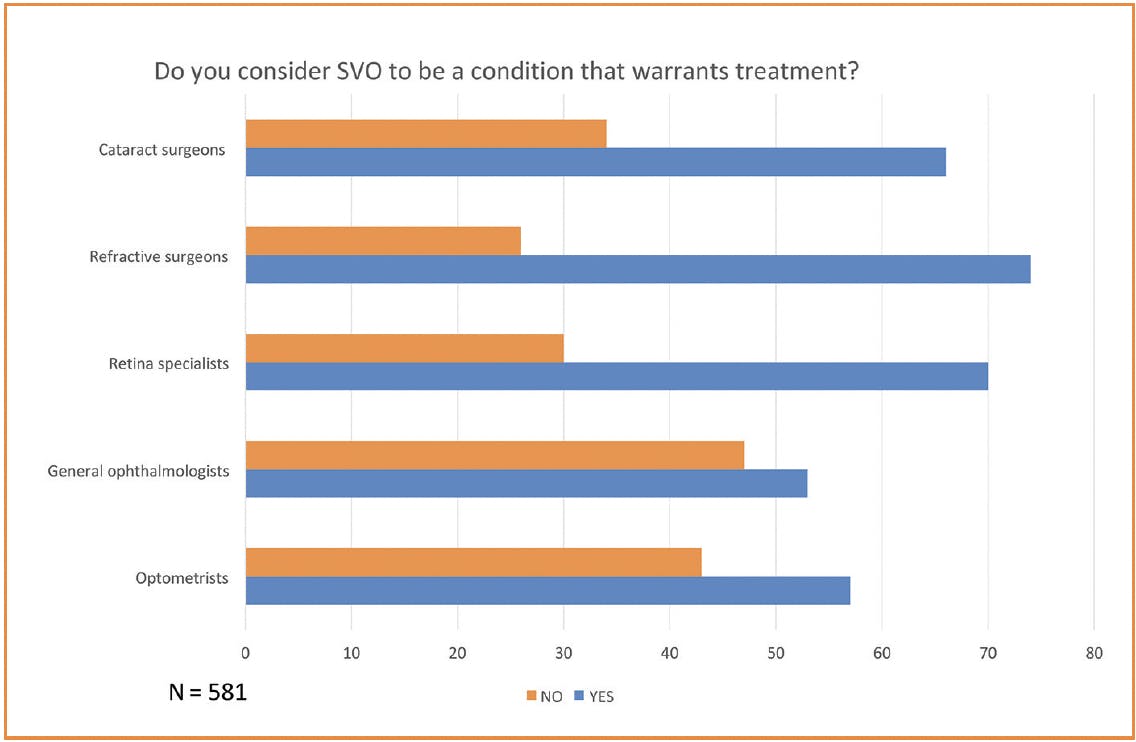
Figure 2. Global survey findings show the majority of respondents (%) believe that SVO are a condition that warrants treatment. This trend was consistent across geographical regions. These results exclude incomplete responses.

Figure 3. Global survey findings show the majority of optometrists refer few patients to a retina specialist for treatment of SVO. This trend was consistent across geographical regions. These results exclude incomplete responses.
These findings suggest the general ophthalmology and optometry community may benefit from guidance on the appropriate referral of patients to a retina specialist so that patients with SVO do not have to endure suffering that may be resolved with surgical intervention.
Establishing a VO Severity Grading System
The survey findings revealed that most respondents do not currently grade their patients’ VO (Figure 4). This trend was consistent across specialty and geographical regions. However, the majority of survey respondents agreed with the definitions that were proposed to facilitate grading VO severity (see Table 2). The panel also agreed with the proposed definitions. A patient with asymptomatic VO has no visual disturbances. The VO are rarely noticeable and can be picked up in clinical exam, but the patient may not be aware of them. Mild severity refers to VO that are noticeable to the patient, but they are just slightly bothersome and do not interfere with vision or functions of daily visual activities (DVA) such as working or driving. Moderate severity refers to VO that are bothersome enough to impact vision and interfere somewhat with functions of DVA such as working or driving. Severe VO are extremely bothersome and highly impact QoL, significantly interfering with functions of DVA such as working or driving.

Figure 4. Global survey findings on the current practice of grading VO severity. These results exclude incomplete responses.

There was consensus among the panel that the proposed definitions could be used as a tool by ophthalmologists and optometrists to guide referral of patients with SVO to a retina specialist as well as help standardize the language surrounding VO overall. The panel agreed with the majority of US retina specialists who indicated in the survey findings that they prefer patients with moderate or severe SVO be referred. Figure 5 depicts how the VO severity grading system could be implemented to facilitate referral of patients.
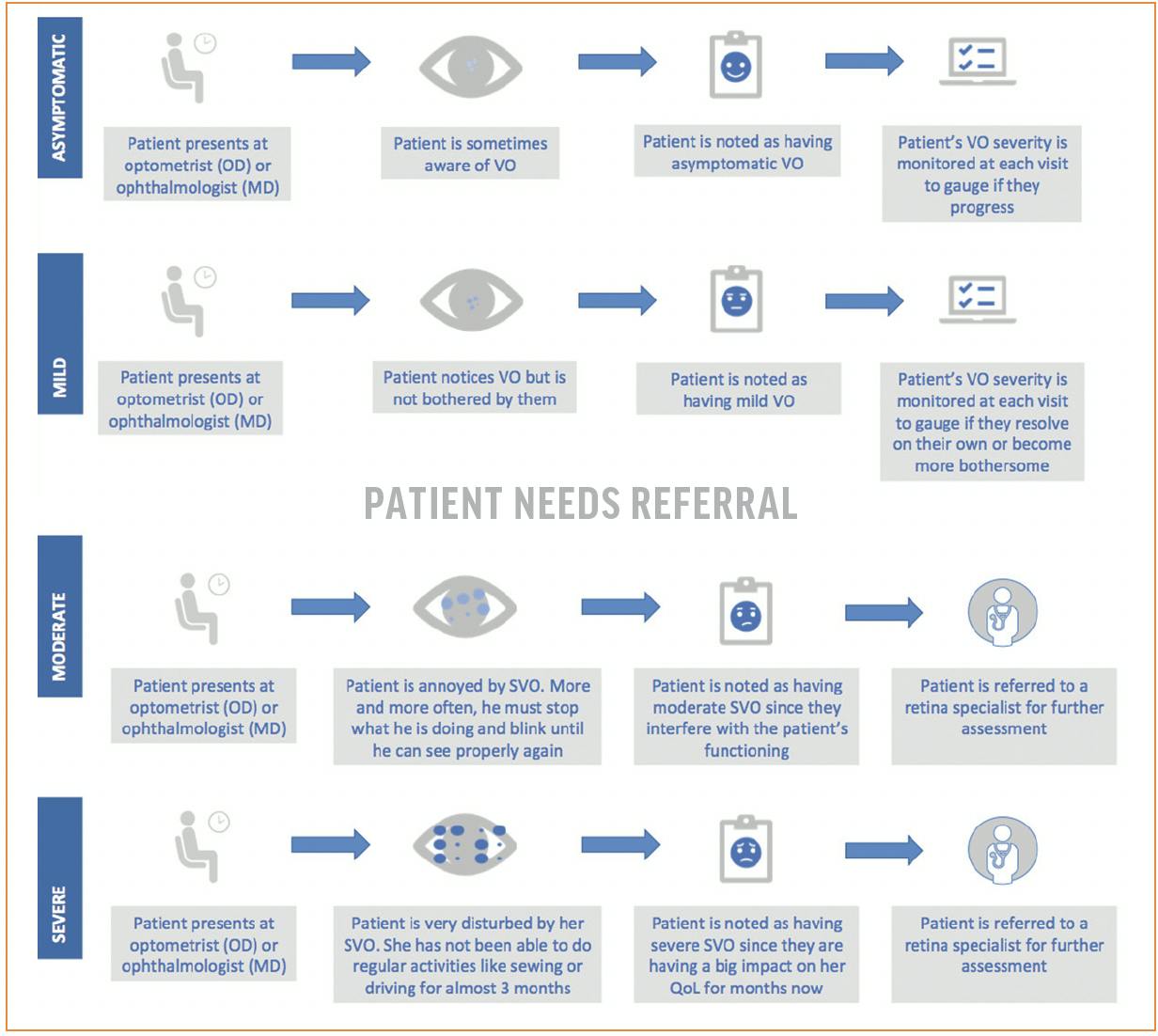
Figure 5. An example of how optometrists and ophthalmologists may implement the VO severity grading system.
The panel was in consensus that the severity grading system is not appropriate for use by retina specialists as a basis for their surgical decisions. The panel agreed that there is a balance between considering the symptoms being reported by patients and objective measures to confirm patient complaints. Dr. Ho noted the disconnect that may occur as some patients are not bothered by VO while others are very much bothered with SVO. He prefers to validate patient complaints by seeing them and monitoring how they change over time with infrared optical coherence tomography (OCT) scan before discussing the option of surgery. Dr. Houston also takes into account the reported symptoms, ancillary infrared OCT, and exam and determines whether the reported symptoms correlate with what he is seeing. Dr. Ryan agreed that at least semi-quantitative methods for VO can help correlate symptoms and help him to decide if surgery is an appropriate option. He recommends SLO imaging and OCT scan to determine if there has been a PVD.
“I FIND HAVING SOME OBJECTIVE IMAGING REALLY HELPFUL. AND IF THE IMAGING CORRELATES WITH HOW BADLY IMPACTED THE PATIENT IS, I AM NOT CONCERNED ABOUT OPERATING.”
—EDWIN RYAN, MD
Dr. Kitchens’ primary concern is his patients' reported SVO symptoms. Dr. Morris relies on a 90D dynamic examination of the vitreous that correlates with reported symptoms. Part of his approach includes having patients write down their own history, reliably revealing to what degree SVO really interfere with DVA. Dr. Berrocal noted that she often confirms SVO during slit-lamp exams. She noted how SVO are such a subjective condition and that the patient’s actual pain and discomfort cannot be measured objectively. She said that two people could have the same amount of VO and one may not be bothered but the other may have a job driving a truck at night, so there is a major QoL impact. The panel concluded that manufacturers should develop a more objective, validated means of measuring VO. Improved diagnostics with better sensitivity and specificity are needed. Currently the decision is very symptom driven, and corroborating patient complaints helps guide the decision to discuss PPV for SVO with patients.
The panel also discussed the potential of developing the severity definitions into a patient VO assessment tool. There was panel consensus that administering a patient questionnaire at visits would help with the subjective assessment and monitoring of VO. There are patient questionnaires to assess the impact of various other conditions such as dry eye,15 cataract,16 and AMD.17 Dr. Ryan noted that ideally it should be a simple questionnaire that could be completed quickly at a visit and indicate how bothered patients are by their VO. Dr. Morris shared that he has a template of questions that he reviews with his patients with VO. He asks them:
- How frequently do you notice the VO or lack of clarity in your vision?
- How, and how often, do you try to regain clear vision when you notice these vision problems?
- Do the VO interfere with your work or leisure activities?
- Do the VO interfere with your ability to drive or with other performance activities?
- Do the VO make you feel unsafe? How and when?
“IT IS TOUGH FOR PATIENTS WITH 20/20 VISION. THEY FEEL BAD COMPLAINING ABOUT GLARE AND VO. THEY ARE BEING BRUSHED OFF AS BEING NEUROTIC, AND WE ARE FAILING THEM IN THAT IT REALLY DEPENDS ON FACTORS SUCH AS WHAT THEY DO FOR A LIVING—IF THEY ARE AN EDITOR, FOR EXAMPLE. THERE ARE SO MANY NUANCES TO THIS, TO HOW VISUALLY IMPAIRED THEY ARE—IT IS REALLY HARD TO QUANTIFY.”
—MARIA H. BERROCAL, MD
The panel agreed about the potential utility of a patient questionnaire based on the VO severity grading system and hopes to have the opportunity to develop and ratify it in a post-hoc working group.
SVO Management Recommendations and the Search for Consensus
Over time, each member of the panel has customized their own approach and criteria for arriving at the decision to discuss PPV with their patients with SVO. Although every case and every surgeon’s approach is different, in an effort to reach consensus and provide clarity on patient identification, general patient themes were discussed. The following patient scenarios represent common types of SVO cases which, based on the panel’s experience, would likely benefit from surgical intervention.
“PEOPLE WANT FASTER REHABILITATION, BETTER VISION, ASTIGMATIC CORRECTION, MULTIFOCALITY... IT HAS JUST BEEN AN INCREDIBLY DYNAMIC PERIOD. YET MANY OF THE PEOPLE WHO ARE LEADERS IN THE VITREORETINAL FIELD WERE TRAINED IN THE ERA WHEN SVO WERE LEFT ALONE. THE FUNDAMENTAL QUESTION IS, ARE WE LEAVING AN ESSENTIAL CAUSE OF SUFFERING UNTREATED IN A SUBSTANTIAL NUMBER OF PATIENTS?”
—DONALD J. D’AMICO, MD
Monofocal post-cataract patient with a full PVD and SVO
At an initial visit with a post-cataract patient with a full PVD, the panel may mention the option of PPV for SVO. At a subsequent visit, after an established waiting period, the panel would discuss the option of surgery. It would have to be clear that the patient is not having an acute episode of SVO. Most of the panel uses a 6-month watch-and-wait period as a rule of thumb. Interestingly, the panel discussed this waiting period, and Dr. Silva noted that there was no strong evidence-based data to support a 6-month timeframe before surgery. Regardless, Dr. Silva noted that 6 months is a reasonable timeframe based on real-world experience. Dr. Ryan has worked with his referring colleagues to ensure that when patients with SVO present to him, they have been symptomatic for 6 months. Dr. Houston also uses a cumulative 6-month period since patients may have been experiencing symptoms prior to being referred to him. Dr. Berrocal uses a 3-month waiting period. She finds that 3 months is long enough for patients to either neuroadapt to the VO or have PPV for ongoing bothersome SVO. She noted that when patients are suffering, a 6-month waiting period may not be acceptable, but they can manage to wait 3 months. Dr. Morris and Dr. Ho discussed a flexible approach depending upon the extent of their patients’ symptoms and the need for the patients to feel like their complaints are being taken seriously.
Dr. Weng noted that a post-cataract patient with a full PVD and SVO would be an ideal patient for PPV. Her preference is to usually start with a core vitrectomy with 25- or 27-gauge instruments, and then she will try to shave as cleanly as possible. After she removes all of the vitreous, she will do a 360° dynamic scleral depressed exam. Generally, she will not suture these patients unless she notices a clear leak. Dr. D’Amico and Dr. Morris noted that they do not remove highly adherent cortical vitreous or the vitreous base. Dr. Berrocal does not shave the periphery but will treat lattice or atrophic holes. Dr. Ho would perform a central vitrectomy and a very careful inspection of the periphery. If he sees anything suspicious, he will use laser. Dr. Kitchens’ preference is to use 25-gauge instruments. He does not shave down peripherally but just enough to where he feels he has gotten enough of the peripheral vitreous that the patient will not be symptomatic.
Multifocal post-cataract patient with a full PVD and SVO
At an initial visit with a multifocal post-cataract patient with a full PVD, the panel may mention the option of PPV for SVO. At a subsequent visit, after an established waiting period, the panel would discuss the option of surgery. Dr. Houston noted that he has a lower threshold to discuss and move forward with surgery because these patients tend to be more symptomatic after their surgeries possibly because the multifocal intraocular lens in different planes may be focusing on the VO. He does not change his surgical technique and will clean up the anterior vitreous and the posterior capsule. Dr. Berrocal stated it is key to manage expectations with patients, especially those with diffractive multifocal lenses. They tend to be more bothered by SVO and experience a lot of glare (especially when driving at night). She cautions these patients that removing the SVO will not eliminate glare at night. Dr. Kitchens agreed and noticed that contrast sensitivity is also an issue with some multifocals.
“I LIKE TO JUST KEEP ALL OF THIS VERY SIMPLE. I LIKE PATIENTS WHO HAVE HAD SYMPTOMS FOR 6 MONTHS. THEY AFFECT THEIR DRIVING AND READING AND OTHER ACTIVITIES THAT ARE CRITICAL TO THEIR LIFE, AND THEY’RE PSEUDOPHAKIC. AND, I TELL OUR FELLOWS, YOU WILL NEVER REGRET THE SURGERY THAT YOU DON’T DO. SO, IF YOU GET A PATIENT THAT COMES IN AND YOU ARE NOT QUITE SURE IF THEY ARE REALLY THAT BOTHERED OR THEY ARE PHAKIC, DON’T DO THE VITRECTOMY.”
— JOHN KITCHENS, MD
Phakic patient with a full PVD and SVO
At an initial visit with a phakic patient with a full PVD, the panel probably would not mention the option of PPV for SVO. At a subsequent visit, after an established waiting period, most of the panel would discuss the option of surgery. Dr. Houston and Dr. Silva prefer not to perform PPV for SVO in phakic patients. Dr. Weng and Dr. Berrocal discussed the risk of cataract development in these patients after vitrectomy and the importance of communicating these issues with patients to help guide decisions. Dr. Morris agreed and noted that in his experience most phakic patients needed cataract extraction within 2 years of PPV for SVO. Dr. Weng noted that although it is not practical in most parts of the United States, ideally such patients would be offered a combined surgical approach as is done in other regions of the world. She prefers taking care of both of these issues at the same time with a cataract colleague.
The panel discussed and was in consensus that YAG laser vitreolysis is not recommended. Dr. Ryan noted that approximately 5% of his PPV for SVO cases are patients who had failed YAG laser vitreolysis.
Post-cataract or phakic patient with SVO without a full PVD
At an initial visit with a post-cataract or phakic patient without a full PVD, the panel probably would not mention the option of PPV for SVO. At a subsequent visit, after an established waiting period, the panel may discuss the option of surgery. The panel considered this to be a tougher and less common type of case. Dr. Ryan noted these patients have a high risk for RD, and he tries to encourage them to wait and develop a PVD. Those on the panel who may offer PPV in this scenario would proceed with caution and do their best to keep secondary SVO from developing.
Other clinical scenarios that may represent possible candidates for PPV for SVO include:
- Patients with asteroid hyalosis and recent PVD and SVO (if the patient has not adjusted to the PVD within a reasonable time frame)
- Patients with large central SVO with decreased vision and contrast sensitivity
- Patients with post-endophthalmitis, post-uveitis (when it is certain that infection is clearly controlled), or post-scleral buckle
- Pseudophakic patients post-scleral buckle (timing may depend on the status of the fellow eye, the extent of symptoms, and patient needs)
“I THINK WHEN IT COMES TO ANY SURGEON OUT THERE WHO MAYBE HAS NOT DONE MANY SVO CASES OR HASN’T CHOSEN TO, AT THIS POINT, I THINK THIS PANEL REALLY HELPS TO SERVE AS KIND OF AN INITIAL GUIDELINE OF SAYING THAT YES, THIS IS A SURGERY THAT WE’RE DOING AND CAN HELP A LOT OF PEOPLE AND BE VERY BENEFICIAL. BUT AS A SURGEON, YOU HAVE TO COME UP WITH WHAT CRITERIA YOU’RE GOING TO CHOOSE THEN DECIDE ON WHEN TO INTERVENE IN THESE PATIENTS.”
— S. K. STEVEN HOUSTON III, MD
The Patient Experience
The patient experience with PPV for SVO is an important topic for non-retina specialist audiences as well as for patients suffering with SVO who are potential candidates for vitrectomy. Global survey findings showed that respondents were interested in information that would help them with the decision to refer patients with SVO to a retina specialist (Figure 6). In Africa, Asia-Pacific, Europe, and the Middle East, many respondents indicated that greater understanding about how to differentiate asymptomatic VO from symptomatic opacities would be most helpful. The panel believes the proposed VO severity grading system will help to address this need. In North America, most respondents indicated that information on patient satisfaction following vitrectomy for SVO would be most helpful. US optometrists indicated they would find information on treatment options, information on patient satisfaction following vitrectomy for SVO, and patient case studies demonstrating the benefit of vitrectomy for SVO most helpful.

Figure 6. Global survey responses on the type of information that would help them with referrals. These results exclude incomplete responses.
The panel agreed that their patients who received PPV for SVO are among their happiest patients. They have all received patient testimonials highlighting the benefits of successfully treating SVO. Dr. Morris has been very passionate about ensuring that these positive stories are shared. He started asking patients to write their stories about how SVO affected them and the impact of PPV and has been collecting such patient testimonials since he started doing these procedures 28 years ago. They can be found on the website www.floaterstories.com. He noted that the website and the patient testimonials can serve as an important resource for referring doctors and for the general education of patients.
“IT NEVER CEASES TO AMAZE ME THAT IN EVERY SINGLE CLINIC I HAVE PATIENTS WHO ARE COMING IN WITH DEBILITATING VO, AND THEY THINK THAT THEY ARE THE ONLY ONES SUFFERING FROM IT. AND I THINK THAT SPEAKS TO THE FACT THAT THERE REALLY IS, SURPRISINGLY, A LACK OF AWARENESS IN THE PUBLIC HEALTH SECTOR AND LACK OF UNDERSTANDING OF VO.”
— CHRISTINA Y. WENG, MD, MBA
Conclusions
Although VO are common and do not bother most people, those with SVO may find them debilitating. Panel experience and the peer-reviewed medical literature support that vitrectomy for this indication has never been safer. Published patient satisfaction data and patient testimonials submitted to the panel further underscore the often life-changing benefit of vitrectomy for SVO. With the proposed definitions in the VO severity grading system, optometrists and ophthalmologists will have a resource to assess and monitor their patients’ VO, and make timely referrals of those with moderate-to-severe cases to retina specialists. A companion patient survey should be developed to further facilitate this process. Table 3 summarizes the panel’s opinions on the issues that the retina specialist faces when deciding how best to treat a patient with SVO. Ultimately, it is a nuanced decision that involves an acceptable wait period for the patient and surgeon, ideally objective findings to support a patient’s description of SVO symptoms, and careful consideration of all the patient’s issues. If the potential benefits outweigh the risks, vitrectomy should be offered to alleviate this often-underappreciated source of suffering for patients.

Acknowledgements:
Medical writing by Susan Cuozzo, CMPP and A2E Communications Group.
1. Floater stories™. Available at: An Introduction to the Floater Stories™ | Floater Stories. Accessed July 19, 2021.
2. Ivanova T, Jalil A, Antoniou Y, et al. Vitrectomy for primary symptomatic vitreous opacities: an evidence-based review. Eye (Lond). 2016;30(5):645-655.
3. Schiff WM, Chang S, Mandava N, Barile GR. Pars plana vitrectomy for persistent, visually significant vitreous opacities. Retina. 2000;20(6):591-596.
4. Cohen MN, Rahimy E, Ho AC, Garg SJ. Ophthalmic Surg Lasers Imaging Retina. 2015;46(8):859-865.
5. Mura M, Engelbrecht LA, de Smet MD, et al. Surgery for floaters. Ophthalmology. 2011;118(9):1894-1894.e1.
6. Mamou J, Wa CA, Yee KM, et al. Ultrasound-based quantification of vitreous floaters correlates with contrast sensitivity and quality of life. Invest Ophthalmol Vis Sci. 2015;56(3):1611-1617.
7. Schulz-Key S, Carlsson JO, Crafoord S. Longterm follow-up of pars plana vitrectomy for vitreous floaters: complications, outcomes and patient satisfaction. Acta Ophthalmol. 2011;89(2):159-165.
8. de Nie KF, Crama N, Tilanus MA, et al. Pars plana vitrectomy for disturbing primary vitreous floaters: clinical outcome and patient satisfaction. Graefes Arch Clin Exp Ophthalmol. 2013;251(5):1373-1382.
9. Zeydanli EO, Parolini B, Ozdek S, et al. Management of vitreous floaters: an international survey the European VitreoRetinal Society Floaters study report. Eye (Lond). 2020;34(5):825-834.
10. Mason JO 3rd, Neimkin MG, Mason JO 4th, et al. Safety, efficacy, and quality of life following sutureless vitrectomy for symptomatic vitreous floaters. Retina. 2014;34(6):1055-1061.
11. Sebag J, Yee KM, Wa CA, et al. Vitrectomy for floaters: prospective efficacy analyses and retrospective safety profile. Retina. 2014;34(6):1062-1068.
12. Lin Z, Zhang R, Liang QH, et al. Surgical outcomes of 27-gauge pars plana vitrectomy for symptomatic vitreous floaters. J Ophthalmol. 2017;2017:5496298.
13. Rostami B, Nguyen-Cuu J, Brown G, Brown M, Sadun AA, Sebag J. Cost-effectiveness of limited vitrectomy for vision-degrading myodesopsia. Am J Ophthalmol. 2019;204:1-6.
14. Suñer IJ, Kokame GT, Yu E, et al. Responsiveness of NEI VFQ-25 to changes in visual acuity in neovascular AMD: validation studies from two phase 3 clinical trials. Invest Ophthalmol Vis Sci. 2009;50(8):3629-3635.
15. Sakane Y, Yamaguchi M, Yokoi N, et al. Development and validation of the Dry Eye-Related Quality-of-Life Score questionnaire. JAMA Ophthalmol. 2013;131(10):1331-1338.
16. Javed U, McVeigh K, Scott NW, Azuara-Blanco A. Cataract extraction and patient vision-related quality of life: a cohort study. Eye (Lond). 2015;29(7):921-925.
17. Mitchell J, Wolffsohn J, Woodcock A, et al. The MacDQoL individualized measure of the impact of macular degeneration on quality of life: reliability and responsiveness. Am J Ophthalmol. 2008;146(3):447-454.
