


AT A GLANCE
- Alcon’s Unity Vitreoretinal Cataract System delivers high efficiency and performance across all steps of vitreoretinal and cataract surgery, integrating intelligent fluidics, IOP control, aspiration, and illumination.
- BVI’s Virtuoso DUAL combined phacovitrectomy machine provides low-traction, high-speed vitrectomy, optimized energy delivery during phacoemulsification, and enhanced operational efficiency.
- DORC’s Eva Nexus includes VTi pump fluidics, Smart IOP intelligence, and the TDC Veloce, which enhances flow, suction force, rigidity, and ergonomics.
- Bausch + Lomb’s Stellaris Elite now includes the Adaptive Fluidics software, which monitors the vacuum and adjusts the infusion pressure to compensate for IOP changes during vitrectomy.
Vitrectomy technology continues to advance rapidly with new platforms, hardware and software upgrades, and innovative new surgical instrumentation. Now, surgeons have myriad platforms to choose from, along with a robust lineup of integrated tools. Here, we share the latest advances to hit our retina ORs.
ALCON’S UNITY Vitreoretinal Cataract System
By María H. Berrocal, MD, and Luis Acabá-Berrocal, MD
The Unity Vitreoretinal Cataract System (VCS) integrates intelligent fluidics, IOP control, aspiration, and illumination—made possible through sensors that maintain constant flow and stable IOP during procedures (Figure 1). It is complemented by a redesigned 27-gauge instrument portfolio with stiffening sleeves, TetraSpot laser probes, enhanced entry and infusion systems, and a 4D phaco handpiece with thermal sentry and volumetric ultrasound technology.
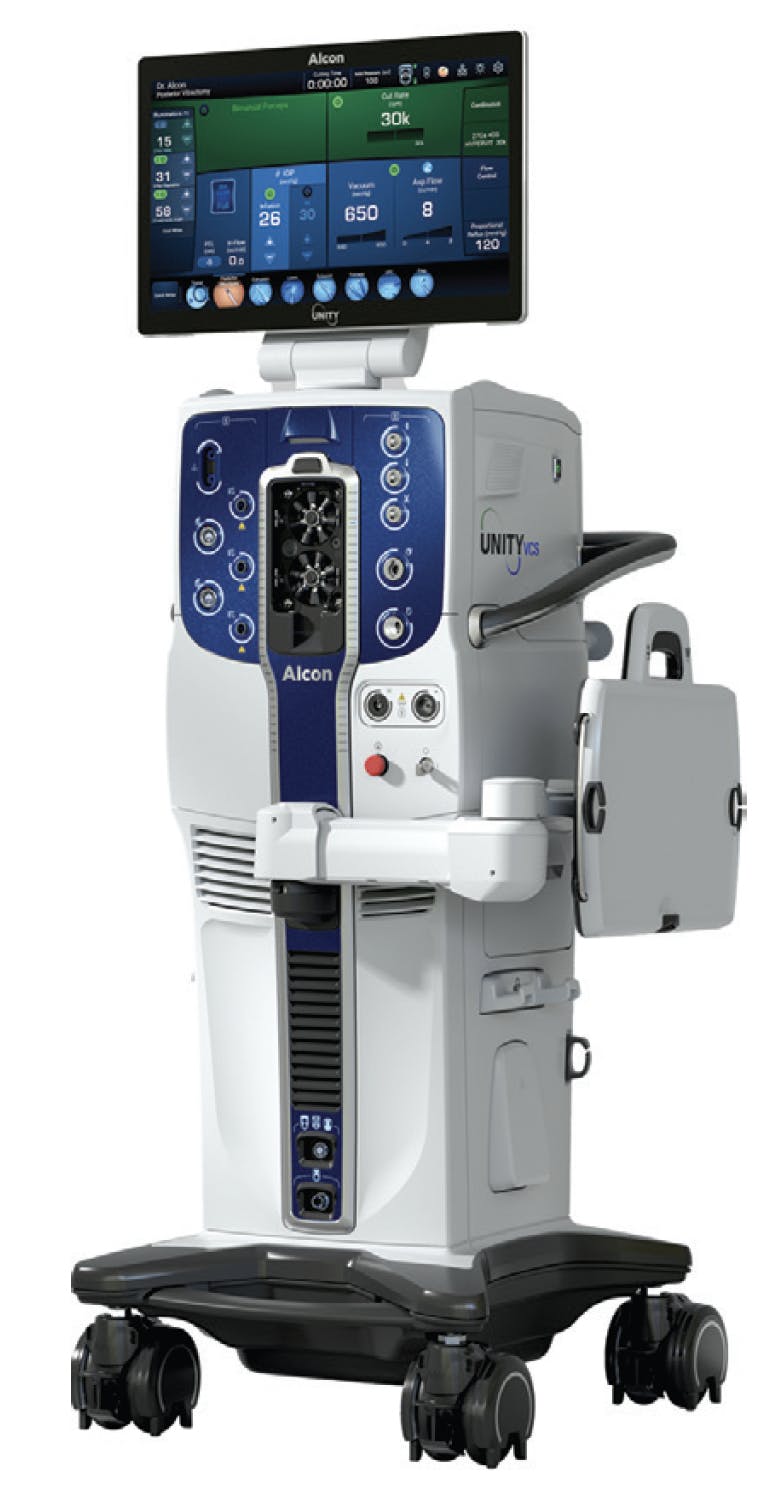
Figure 1. The Unity VCS incorporates intelligent IOP control and fluidics, aspiration, and illumination.
The Unity VCS operates with flow-controlled rather than vacuum-controlled fluidics. Thus, the flow remains constant regardless of media viscosity. The advanced pressure and flow regulation and dual venturi-peristaltic pump technology provides exceptional efficiency and chamber stability. The intelligent IOP control dynamically compensates for leakage and pressure fluctuations, maintaining the target IOP within ± 2 mm Hg.1 Intelligent aspiration enables high-vacuum capability for rapid posterior vitreous detachment induction.
The new 27-gauge vitrectomy probe and light pipe incorporate a dynamic stiffener for increased rigidity, a dual-blade cutter, beveled tip, and 30,000 cpm cutting capability. The continuously open port enhances vitreous removal efficiency while reducing tractional forces. The beveled 25-gauge tip allows 47% closer proximity to the retina compared with rounded tip probes, improving access to tissue planes and enabling many maneuvers to be completed with the vitrector alone.1 The 25- and 27-gauge dual pneumatic cutter of the Unity VCS provides 50% faster cut speeds compared with the Constellation (Alcon) with significantly less traction on mobile retina.1
The Unity TetraSpot laser probe reduces laser application time by up to threefold compared with a single-spot laser. Its curved, illuminated design enhances efficiency and supports continuous delivery. The improved entry system of the Unity, compared with the Constellation, uses recessed cannulas, facilitating smoother soft-tip instrument entry and enabling nearly two-times faster silicone oil injection and extraction in all gauges.1
Compared with the Constellation, the Unity VCS offers 25% faster setup with single-step prime-and-test, fewer connections, and 42% faster tear-down.2 The reduced-impact consumable packs lessen the carbon footprint.
The Unity VCS streamlines combined procedures, delivers intelligent globe stability, optimizes pressure and fluidics, and makes even the smallest 27-gauge surgeries highly efficient.
BAUSCH + LOMB’S STELLARIS ELITE
By Priya Vakharia, MD
The Stellaris Elite has been a staple in my OR for years, in part because it provides flexibility for ORs that support both cataract and vitreoretinal surgery (Figure 2). The platform comes with a versatile wireless pedal with separate pitch and yaw control and laser control, eliminating the need for a second laser pedal.3 I find this particularly helpful in cases involving the fragmatome.
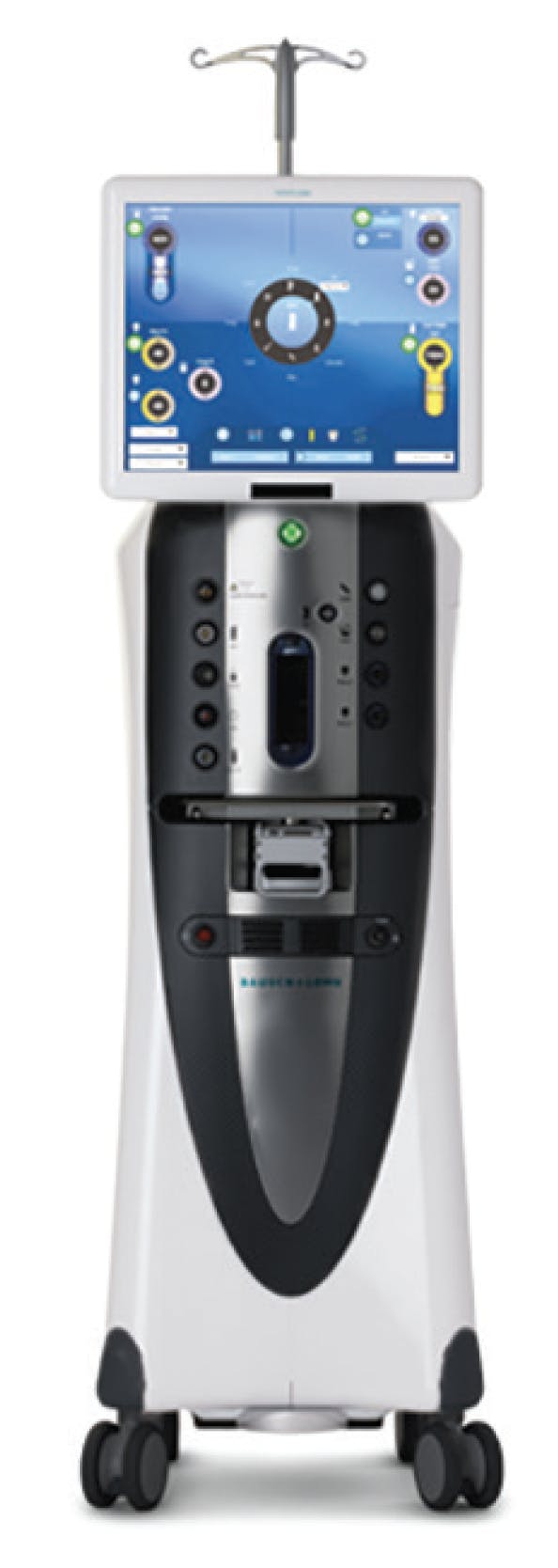
Figure 2. Updates to the Stellaris Elite platform include a wireless pedal with laser control, Adaptive Fluidics, and 25,000 cpm cutters.
One recent update to the system is the Adaptive Fluidics software, which monitors the vacuum and automatically adjusts the infusion pressure to compensate for IOP changes during vitrectomy. Using Adaptive Fluidics can lead to a 62% reduction in the average infusion pressure compared with procedures that do not use Adaptive Fluidics.4 When Adaptive Fluidics is used in conjunction with the company’s Bi-Blade dual-port vitrectomy cutter, the drop in operating IOP is cut in half.4
The new Bi-Blade+ cutter now offers 25,000 cpm efficiency with twice the cutting rate compared with single-port cutters. It also provides 100% duty cycle for continuous aspiration and 25% increased flow compared with the legacy 25-gauge Bi-Blade.4
In addition, Bausch + Lomb has partnered with Heidelberg Engineering to distribute the SeeLuma digital visualization platform. The fully digital system allows surgeons to use the binoculars as they would with analog binoculars with all the benefits of a 3D system. SeeLuma also allows for integrated intraoperative OCT.5
These latest advances for the Stellaris Elite and accompanying tools offer meaningful improvements to the retina OR.
BVI’S VIRTUOSO
By David Steel, MBBS, FRCOphth, MD(Res)
The Virtuoso phacoemulsification system and Virtuoso DUAL combined phacovitrectomy machine recently gained CE mark in Europe and is awaiting FDA approval (Figure 3).6 The platforms include innovative features that provide low-traction, high-speed vitrectomy, optimized energy delivery during phacoemulsification, and enhanced operational efficiency.
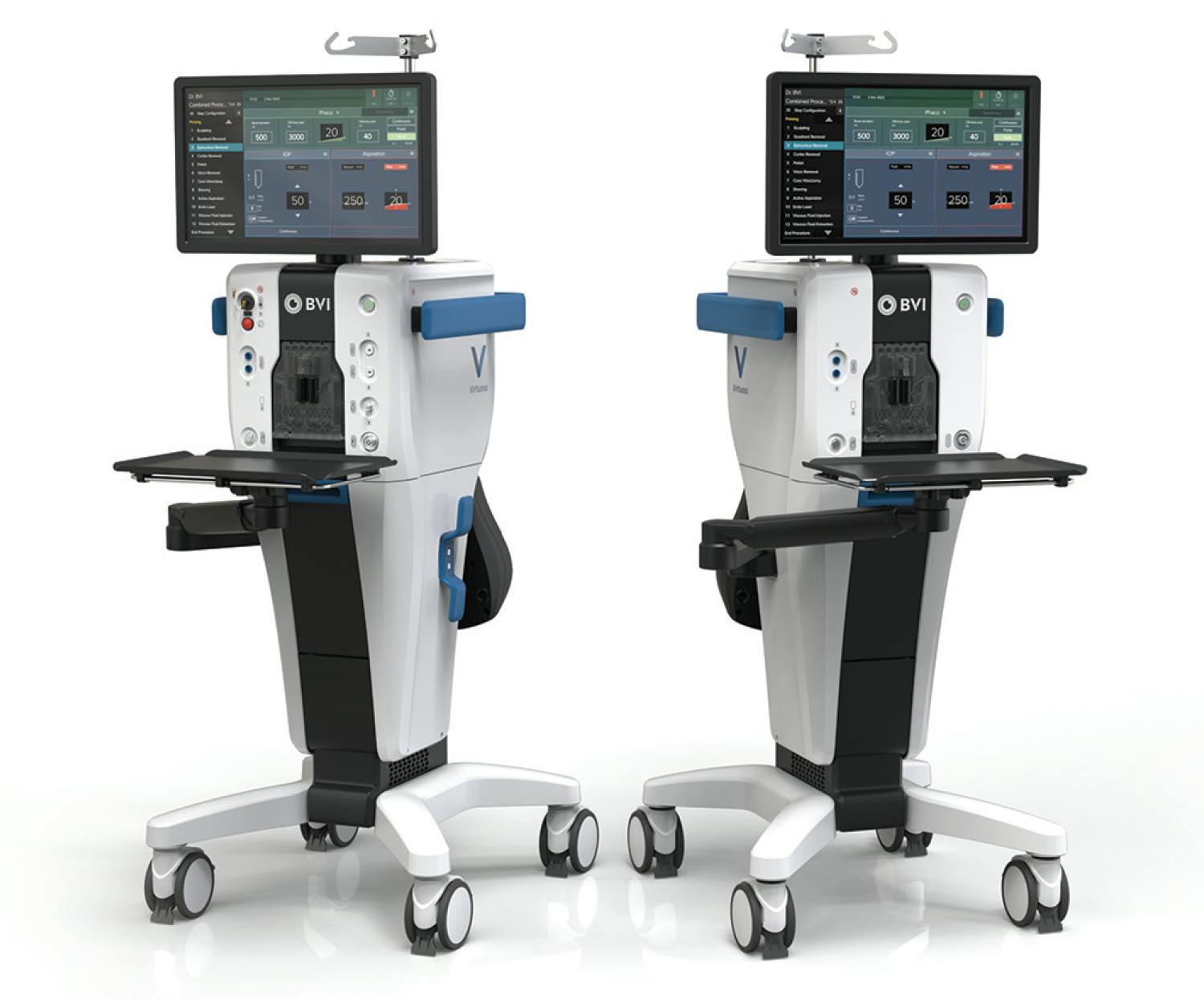
Figure 3. The Virtuoso DUAL combined phacovitrectomy machine, which has CE mark in Europe, is awaiting FDA approval.
Both machines feature an aspiration pump system that blends the performance of a vacuum-controlled pump with the precision of a flow-controlled system. The platforms can be set to vacuum-controlled, flow-controlled, or a hybrid that allows vacuum control with flow capping.7
Similarly, both systems use a fluidics approach that maintains consistent target IOP, matching aspirational flow to infusion flow. The Virtuoso DUAL extends this capability across all procedural steps and any surgical fluid, providing stability during complex combined anterior and posterior segment procedures.7
A standout feature of the Virtuoso DUAL is its machine-assisted fluid-air exchange capability, which helps surgeons maintain full IOP control during surgical fluid exchanges and viscous fluid injection. A high-flow and directional infusion cannula integrated with a valved trocar further supports stable fluidics during posterior segment procedures.7
The Virtuoso DUAL comes with a dual-action, 20,000 cpm, pneumatically driven vitrectomy probe with a beveled tip that allows the cutter to be positioned closer to target tissue than ever before. This, combined with increased probe stiffness, allows for impressive 27-gauge performance. These refinements enable more efficient vitreous removal and membrane dissection during complex posterior segment procedures.7
Recognizing that surgical efficiency extends beyond the procedure itself, the Virtuoso platform enables simultaneous preoperative setup of both phacoemulsification and irrigation/aspiration handpieces before a cataract case. This simple innovation eliminates sequential setup steps, reducing room turnover time and enhancing OR productivity.7
The platform also introduces an energy delivery system that senses lens load to maintain target energy levels regardless of lens hardness. This allows surgeons to set lower energy parameters while achieving efficient phacoemulsification across varying cataract densities. By automatically adjusting to lens characteristics, the system minimizes energy exposure to adjacent ocular tissues, potentially reducing postoperative inflammation and accelerating visual recovery.7
In conclusion, the Virtuoso and Virtuoso DUAL systems represent thoughtful engineering focused on the real challenges surgeons face: maintaining stable surgical conditions, delivering appropriate energy safely, and working efficiently. These platforms offer meaningful advances for both routine and complex anterior and posterior segment surgery.
DORC’S EVA NEXUS
By MitroFanis Pavlidis, MD, PhD
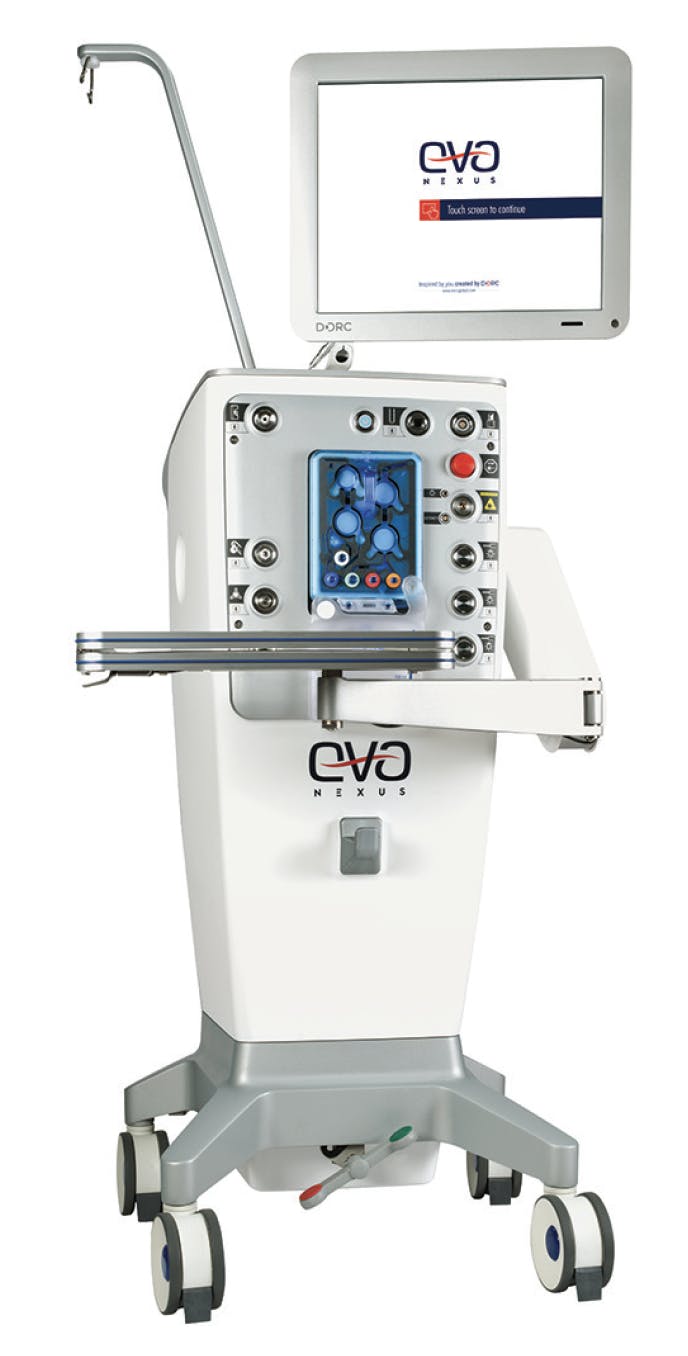
The Eva Nexus platform fundamentally changed the way I approach vitrectomy after switching from the previous Eva system (Figure 4). What makes the decisive difference is the dual VacuFlow VTi pump, which enables a stable and highly controllable flow profile—high flow when surgical efficiency is needed and stable aspiration when operating near delicate, mobile tissues such as a detached retina, lens capsule, or a floppy iris. Not to mention the EVA Nexus is the only platform cleared by the FDA for subretinal injection.8
Another major innovation is the Smart IOP, which uses flow-based fluidics to balance irrigation and aspiration, continuously calculating the volume entering and leaving the eye to maintain stable intraoperative IOP. Unlike gravity or vacuum-compensation systems, Smart IOP regulates fluid displacement directly, minimizing surges and pressure drops. This results in unprecedented chamber stability, allowing consistency even in the most demanding cases.8
An important advance to the system is the TDC Veloce cutter. In combination with the VTi pump, the TDC Veloce provides markedly higher flow, and both in vivo and in vitro evaluations confirm substantially increased flow rates and stiffness compared with the TDC. During surgery (especially 27-gauge) this translates into faster vitrectomy and improved efficiency across all aspiration-dependent steps: quicker fluid-air exchange, more effective dye removal, easier evacuation of silicone oil droplets and perfluorocarbon liquids, and smoother drainage of highly viscous subretinal fluid.8
NEW SYSTEM DEBUTS IN EUROPE
Oertli Instrumente introduced the OS 4 Up platform for both vitreoretinal and cataract surgery at the 2025 Euretina and ESCRS congresses. The platform includes the new Caliburn Trocar System and the Continuous Flow Cutter.1
The new system introduces several features, such as a dynamic infusion concept, which responds to intraoperative dynamics in real time, allowing surgeons to maintain lower IOP levels in both anterior and posterior procedures—closer to physiologic norms, according to the company.1
1. Oertli unveils OS 4 Up surgical platform at Euretina and ESCRS [press release]. Eyewire+. September 4, 2025. Accessed December 19, 2025. eyewire.news/news/oertli-unveils-os-4-up-surgical-platform-at-euretina-and-escrs
Suction force is another key improvement. Due to the larger inner lumen, the TDC Veloce delivers a stronger and more reliable tip vacuum, facilitating posterior vitreous detachment induction (particularly in 27-guage) and engagement of diabetic fibrovascular membranes or vitreoschisis layers. The redesigned ergonomic grip, enlarged tip-orientation marker, and optional extension handle contribute to an instrument that feels natural and controllable.8
When all components converge—the VTi pump fluidics, the Smart IOP intelligence, and the enhanced flow, suction force, rigidity, and ergonomics of the TDC Veloce—27-gauge surgery becomes fundamentally different from what it was a decade ago. You gain the advantages of minimally invasive access while achieving performance previously associated with larger-gauge instruments. For routine and highly complex cases alike, this combination raises the standard of what is achievable in modern vitreoretinal surgery.
1. Alcon Data on File, 2024. [REF-24576, 24615, 24379, 24576, 24899].
2. UNITY VCS and CS User Manual, 2024.
3. Stellaris Elite brochure. Accessed December 19, 2025. tinyurl.com/3mpd3uda
4. Retina. Stellaris Elite. Accessed December 19, 2025. www.stellariselite.com/retina
5. SeeLuma Product Details. Heidelberg Engineering. Accessed December 19, 2025. www.seeluma.com/product-detail
6. BVI Unveils Virtuoso – A Novel Dual-Function Surgical Platform for Cataract and Vitreoretinal Procedures [press release]. BVI. September 3, 2025. Accessed December 10, 2025. tinyurl.com/55c33wux
7. Virtuoso Operator Manual and R&D data on file.
8. DORC Instructions for Use for EVA and EVA NEXUS (ref: EVA SW version 4.5.9; EVA NEXUS software version 5.3.3) – data on file.


-1%20(1)_1769020986.jpg?auto=compress,format&w=70)


%20FINAL-1_1771612597.jpg?auto=compress,format&w=70)
_1784132761.jpg?auto=compress,format&w=75)





